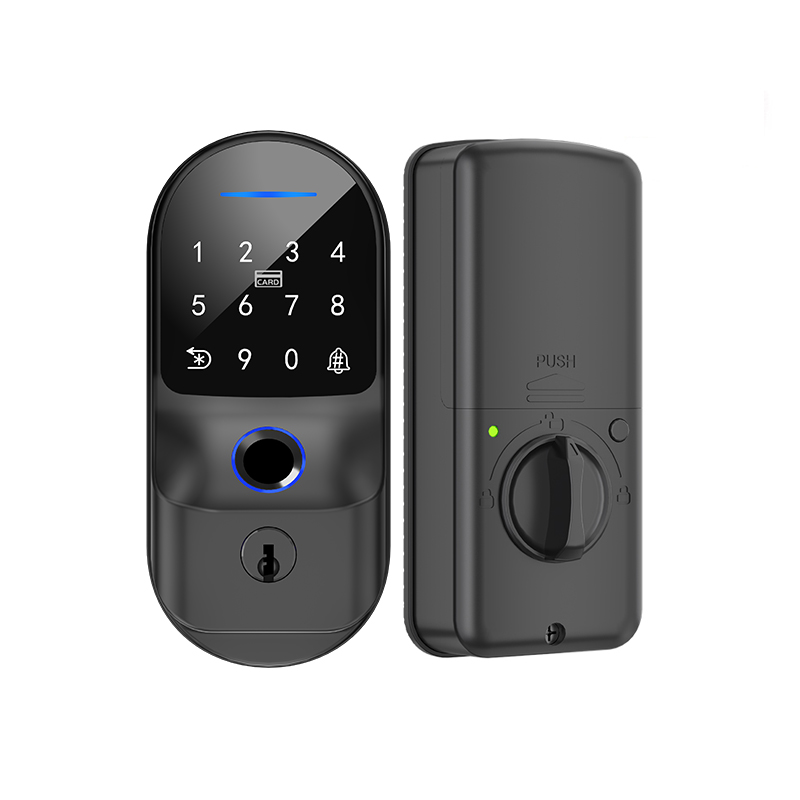
Replacing old hotel door locks is a common challenge in hotel renovation projects. Hotel owners and contractors often want to upgrade access control, improve guest convenience, and modernize room doors without replacing the doors or making extensive structural changes.
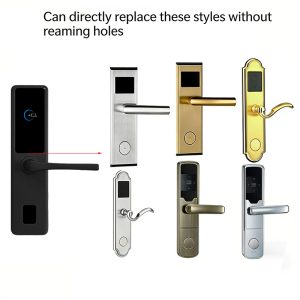
Hotels can often replace old door locks with minimal door modifications by checking existing door preparation, selecting compatible lock dimensions and mortise specifications, and testing a sample before bulk installation. However, compatibility depends on the original door structure, lock body, mounting holes, and the requirements of the replacement lock.
For hotel engineering contractors, project buyers, and hotel lock distributors, choosing the right replacement solution can help reduce installation costs, shorten renovation time, and minimize unnecessary work.
1. Why Do Hotels Need to Replace Old Door Locks?
Hotel door locks experience frequent use, making maintenance and replacement important parts of property management.
Common reasons for replacing old hotel locks include:
- Aging hardware: Existing locks may become worn, unreliable, or difficult to operate after years of use.
- Outdated access methods: Hotels may want to upgrade from traditional mechanical keys to RFID card access or Bluetooth unlocking.
- Increasing maintenance costs: Replacing unreliable locks can help reduce recurring service issues and guest access problems.
- Hotel renovation projects: Owners may want to modernize room doors without replacing the entire door assembly.
- Changing management requirements: Hotels may need more convenient ways to issue, manage, and cancel guest access credentials.
- Budget control: Keeping existing doors can reduce renovation expenses compared with replacing complete door assemblies.
For contractors responsible for dozens or hundreds of guest rooms, selecting compatible replacement locks can make a meaningful difference to the total project budget.
2. Can Hotels Replace Door Locks Without Changing the Doors?
Yes. In many hotel renovation projects, existing doors can remain in place if the replacement lock matches the original door preparation and installation requirements.
However, similar-looking locks are not necessarily interchangeable. Different models may have different mounting positions, mortise dimensions, spindle locations, and cable requirements.
Before choosing a replacement hotel door lock, contractors should check four key details.
Existing Door Holes and Mounting Positions
Measure the existing holes and inspect the mounting screws, spindle openings, and cable passages.
If the replacement lock uses compatible mounting positions, contractors may be able to install it without drilling additional holes. The new exterior panel may also cover existing holes or marks, depending on its dimensions.
Mortise Lock Body
The mortise is the locking mechanism installed inside the door edge. Its dimensions and operating structure are critical when replacing an electronic hotel lock.
Check the mortise height, width, depth, backset, and the positions of the latch and deadbolt. Also confirm that the replacement lock is mechanically compatible with the existing mechanism.
Door Thickness and Material
Confirm whether the door is made of wood, metal, or another material, and measure its thickness.
The replacement lock must support the actual door thickness and installation conditions. A model designed for a different door structure may require additional preparation.
Exterior Panel Dimensions
Compare the height, width, and mounting positions of the original and replacement lock panels.
Choosing a replacement with suitable dimensions can help cover old mounting marks and maintain a clean appearance after installation.
Practical tip: Before requesting a quotation, send your supplier photos of the existing lock, door edge, mortise, and door thickness. These details help the supplier assess compatibility more accurately.
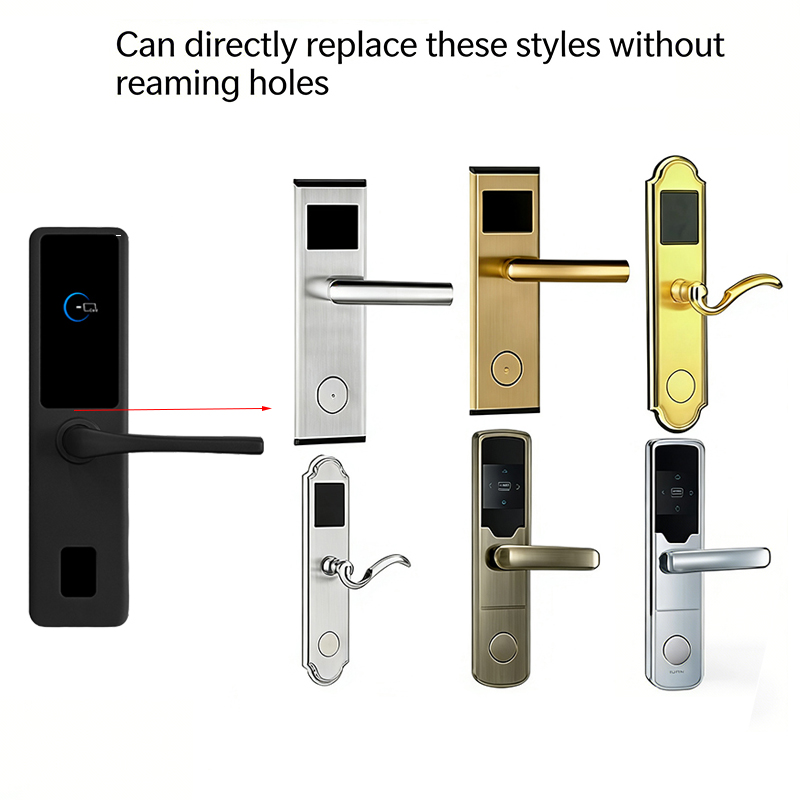
3. Which Hotel Door Locks Are Suitable for Retrofit Projects?
The right replacement lock depends on the existing door structure, hotel budget, required access methods, and management system.
Split-Type Hotel Locks
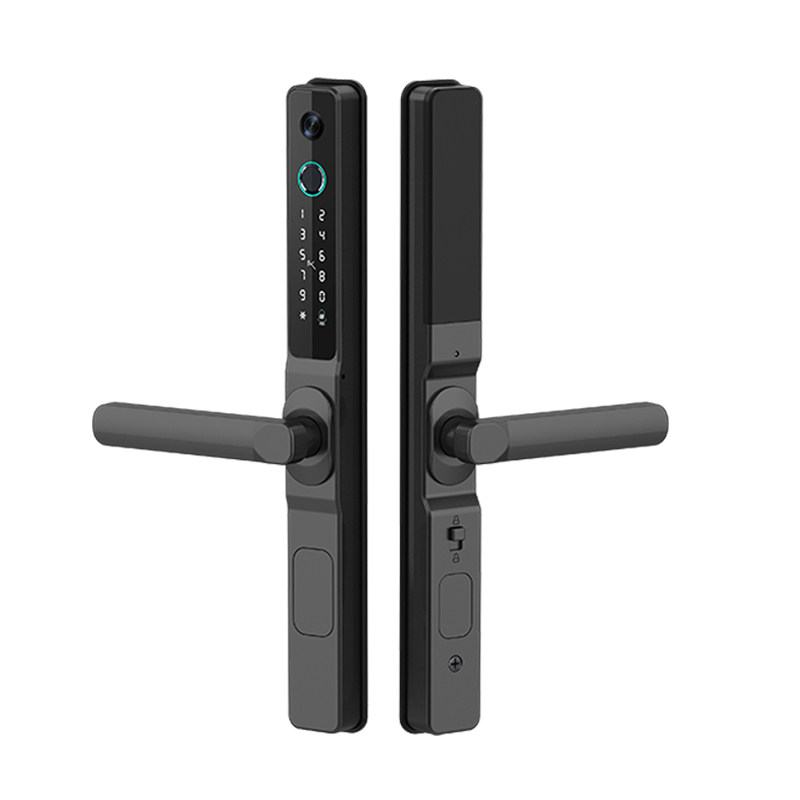
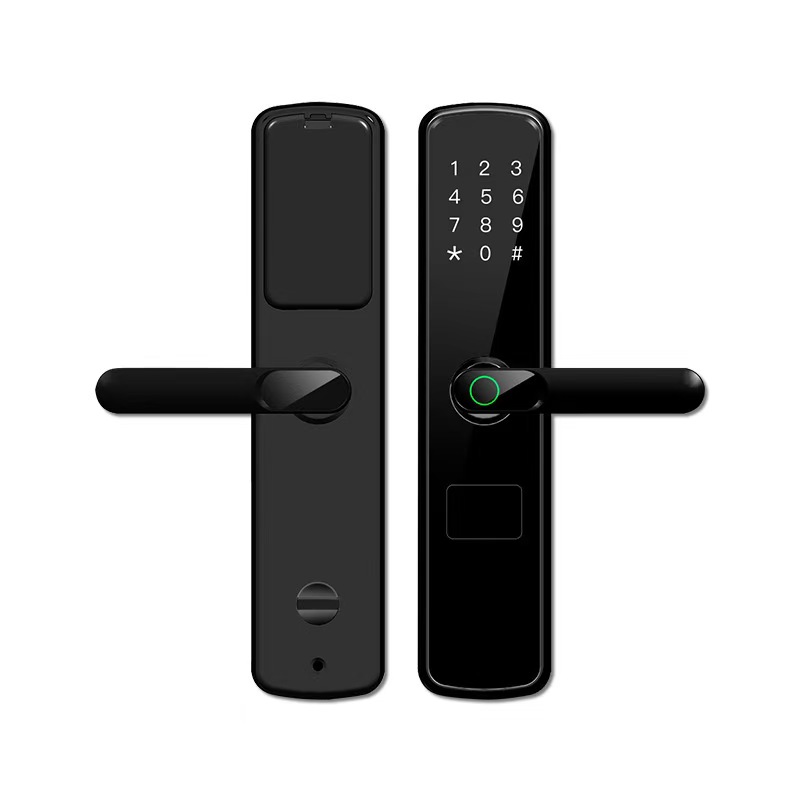
Split-type hotel locks have separate interior and exterior panels. Depending on the design, they may provide flexibility when matching existing mounting positions.
They can be worth considering for selected hotel retrofit projects, especially when the contractor wants to retain existing doors and minimize visible changes.
Some models are available in stainless steel or zinc alloy, with different finishes and access options. However, a split design alone does not guarantee compatibility. Always compare the actual mounting dimensions and lock body specifications.
RFID Card Hotel Locks
RFID hotel locks are widely used in hotels that issue electronic key cards to guests.
For renovation projects, contractors should confirm the lock’s mortise compatibility, card system requirements, encoder configuration, and management software.
RFID locks can be a practical choice when the hotel wants convenient guest access without introducing a more complex mobile access system.
Bluetooth Hotel Locks
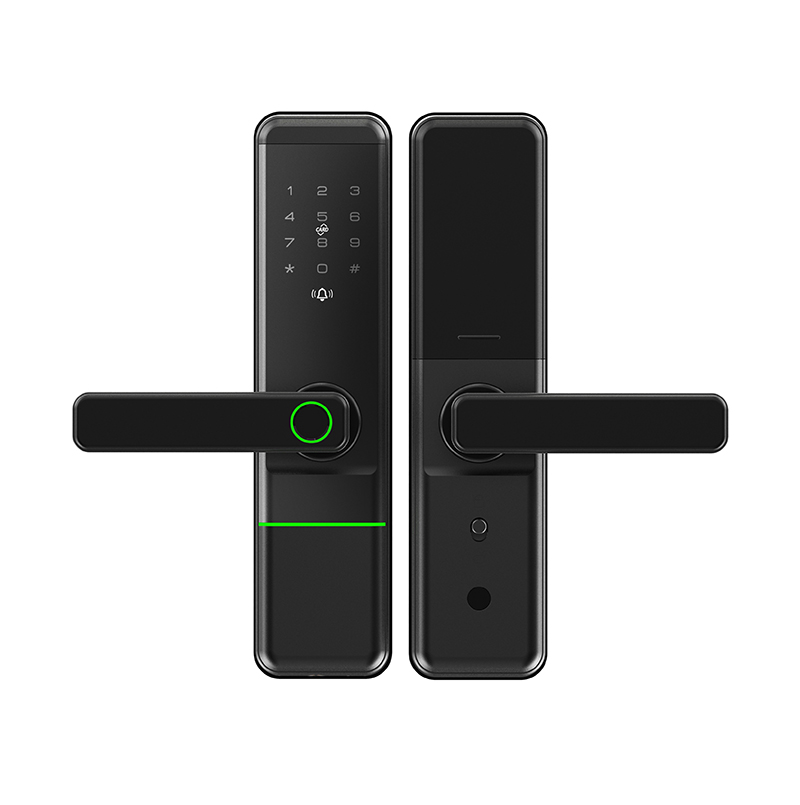
Bluetooth hotel locks allow guests to unlock compatible doors using a smartphone and a supported mobile application.
They may suit boutique hotels, smaller properties, and projects seeking mobile access options. Before installation, confirm the supported app, guest access workflow, and management requirements.
Bluetooth unlocking does not automatically provide remote access over the internet. Remote functions may require additional compatible equipment and configuration.
Stainless Steel Hotel Locks
Stainless steel hotel locks can be suitable for projects that prioritize a classic appearance and a durable metal construction.
They are available in different designs and configurations, including RFID models and selected Bluetooth options. The appropriate choice depends on the product specification, finish, budget, and installation requirements.
For engineering contractors, the priority should be selecting a lock that meets both the project’s functional requirements and the existing door’s mechanical conditions.
4. How Can Contractors Reduce Door Modification Costs?
Door modifications can increase labor expenses, extend installation schedules, and create additional work during hotel renovations.
A structured replacement process helps contractors identify compatibility problems before they affect the project.
Step 1: Inspect the Existing Locks
Record the current lock model, panel dimensions, mortise type, door thickness, mounting positions, and opening direction.
Photograph the front panel, interior panel, door edge, and existing lock body. For projects involving multiple door types, document each configuration separately.
Step 2: Define the Project Requirements
Confirm the required unlocking methods, such as RFID cards, mechanical keys, or Bluetooth access.
Also establish the hotel’s operational requirements, including guest check-in procedures, staff access, credential management, and whether the existing software system must be retained.
Step 3: Request Technical Drawings
Ask the manufacturer or supplier for dimensioned drawings of the proposed replacement lock.
Compare these drawings with the existing door measurements. Pay particular attention to mounting holes, spindle positions, mortise dimensions, and supported door thickness.
Do not rely solely on product photographs or general descriptions such as “universal replacement lock.”
Step 4: Test a Sample Lock
Before placing a bulk order, install a sample on a representative guest room door.
Check whether the lock fits properly, operates smoothly, and covers the original mounting marks as expected. Test every required unlocking method and confirm that the management system works correctly.
If the hotel has different door types or mortise configurations, test each relevant configuration.
Step 5: Approve the Final Specification
After the sample installation is approved, confirm the product model, finish, mortise configuration, access functions, software requirements, and order quantity.
This process helps reduce the risk of receiving incompatible hardware and discovering installation problems after delivery.
5. What Should Hotels Check When Upgrading to Smart Hotel Locks?
A smart hotel lock replacement involves both mechanical compatibility and access management.
RFID Card Compatibility
Confirm whether the new lock requires a different card type, encoder, or management system.
If the hotel wants to retain its existing access infrastructure, verify compatibility before ordering. Not every RFID lock works with every card or hotel management system.
Bluetooth App Requirements
For projects using TThotel App, confirm that the proposed lock supports the required mobile unlocking functions and that the hotel can complete the necessary app setup.
Discuss how guests receive access, how staff manage credentials, and what happens when a guest checks out.
Bluetooth access may simplify some guest access workflows, but the overall benefits depend on the hotel’s operating model and implementation requirements.
Mechanical Key Backup
For models equipped with a mechanical key, verify that the backup unlocking method meets the hotel’s operational requirements.
The hotel should establish appropriate procedures for key storage, authorized access, and emergency situations.
Safety and Compliance
If the project includes fire-rated doors, emergency exits, or regulated door assemblies, confirm that the proposed replacement lock is approved for the specific application and complies with applicable local requirements.
A lock should not be selected on appearance or price alone when door safety and compliance are involved.
6. How Can Contractors Manage Large Hotel Lock Replacement Projects?
Replacing locks across multiple guest rooms requires coordination between the hotel owner, engineering contractor, supplier, and installation team.
The following practices can help improve efficiency.
Group doors by configuration. Identify differences in mortise dimensions, door thickness, and existing lock models. This helps determine whether one replacement model can serve the entire project or whether several configurations are needed.
Standardize where possible. Using a common lock model and consistent access configuration across compatible doors can simplify installation, spare parts management, and staff training.
Approve samples before bulk purchasing. A successful sample installation provides an opportunity to verify dimensions, finish, unlocking functions, and installation procedures before committing to the full quantity.
Plan the installation schedule. Coordinate with hotel operations to determine which rooms can be temporarily taken out of service and how guest access will be managed during the work.
Prepare handover documentation. Maintain records of lock models, room numbers, management credentials, mechanical key arrangements, and maintenance procedures.
For large hotel renovation projects, these steps help reduce installation inconsistencies and make future maintenance easier.
7. How to Choose a Hotel Lock Supplier for Retrofit Projects
A reliable hotel lock supplier should provide more than a competitive unit price. Contractors need technical support to assess compatibility and identify potential installation issues before purchasing.
When evaluating a hotel lock manufacturer or supplier, consider the following factors:
- Product range: Can the supplier offer suitable RFID, Bluetooth, stainless steel, and split-type hotel lock options?
- Technical documentation: Are dimensioned drawings, mortise specifications, and installation instructions available?
- Sample support: Can you test a sample lock before confirming a bulk order?
- Project flexibility: Can the supplier recommend different configurations for different door types and budgets?
- System guidance: Can the supplier explain card, encoder, mobile app, and management software requirements?
- Communication and support: Can the supplier review measurements and clarify technical questions before production?
For engineering contractors and hotel lock distributors, a supplier who understands retrofit requirements can help reduce selection risks and improve project coordination.
Conclusion: Choose Compatible Hotel Locks Before Renovation
Replacing old hotel door locks without major door modifications is possible in many projects, but success depends on accurate measurements, mechanical compatibility, and careful planning.
Contractors should inspect existing door preparation, compare lock dimensions, verify mortise compatibility, and test a sample before bulk purchasing. They should also confirm the requirements of the new access system and any applicable safety standards.
The best replacement lock is not necessarily the newest or most expensive model. It is the one that meets the project’s security, access, appearance, and budget requirements while minimizing unnecessary installation work.
Planning a hotel door lock replacement project?
We supplies hotel lock solutions for different project requirements, including RFID card hotel locks, Bluetooth hotel locks, and selected retrofit configurations.
Send us your existing lock photos, door measurements, mortise specifications, estimated order quantity, and required unlocking methods. Our team can help you evaluate suitable models and identify the technical details that should be confirmed before bulk purchasing.