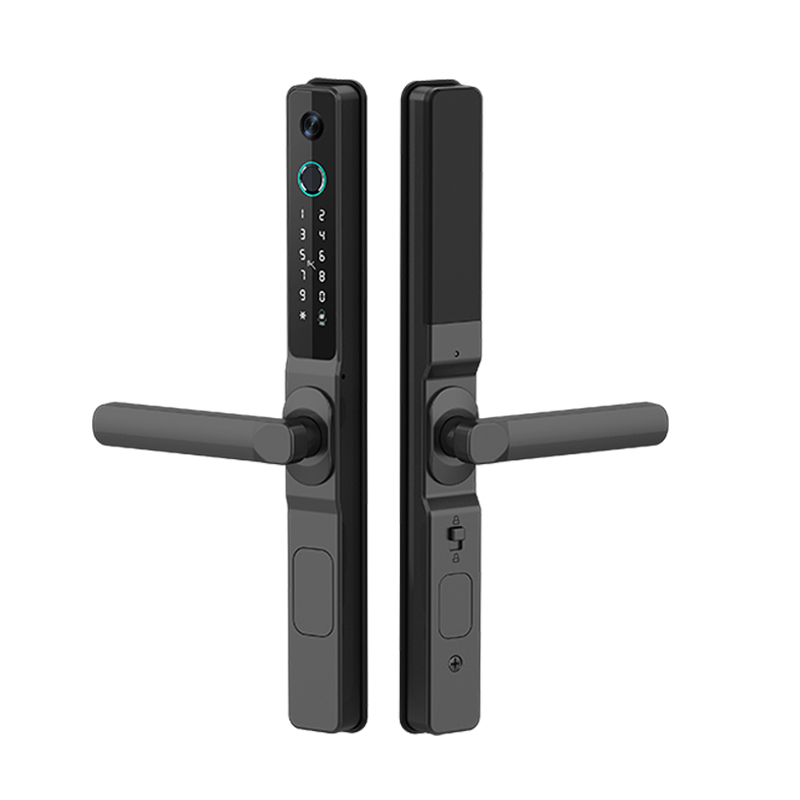
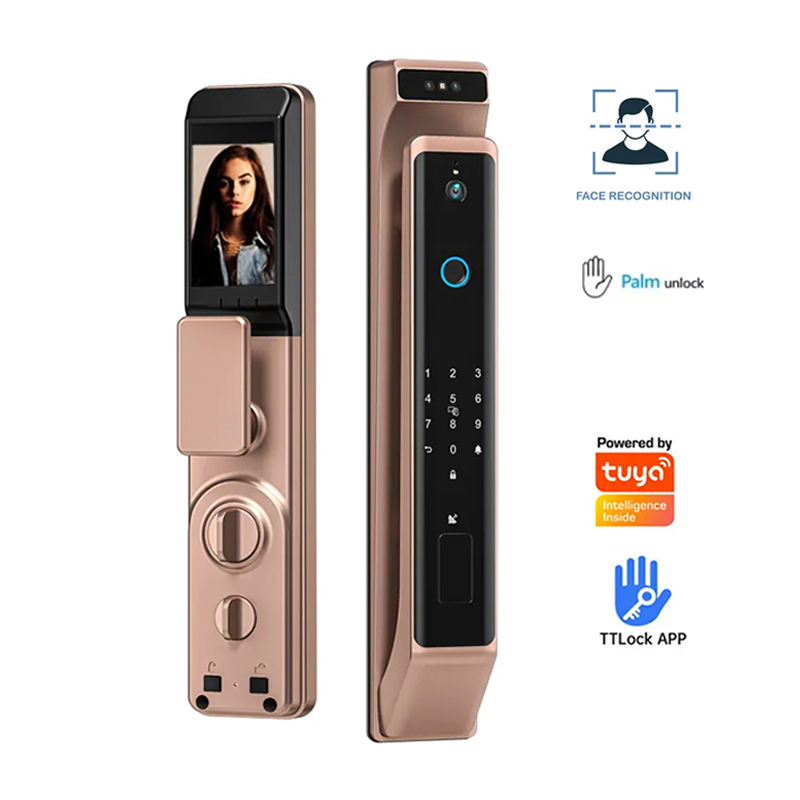
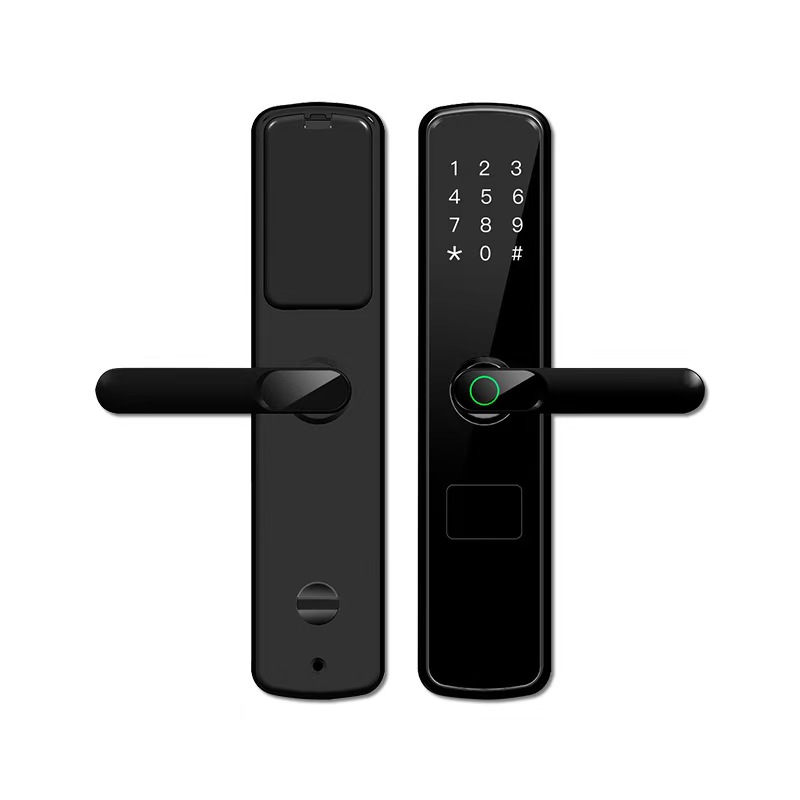
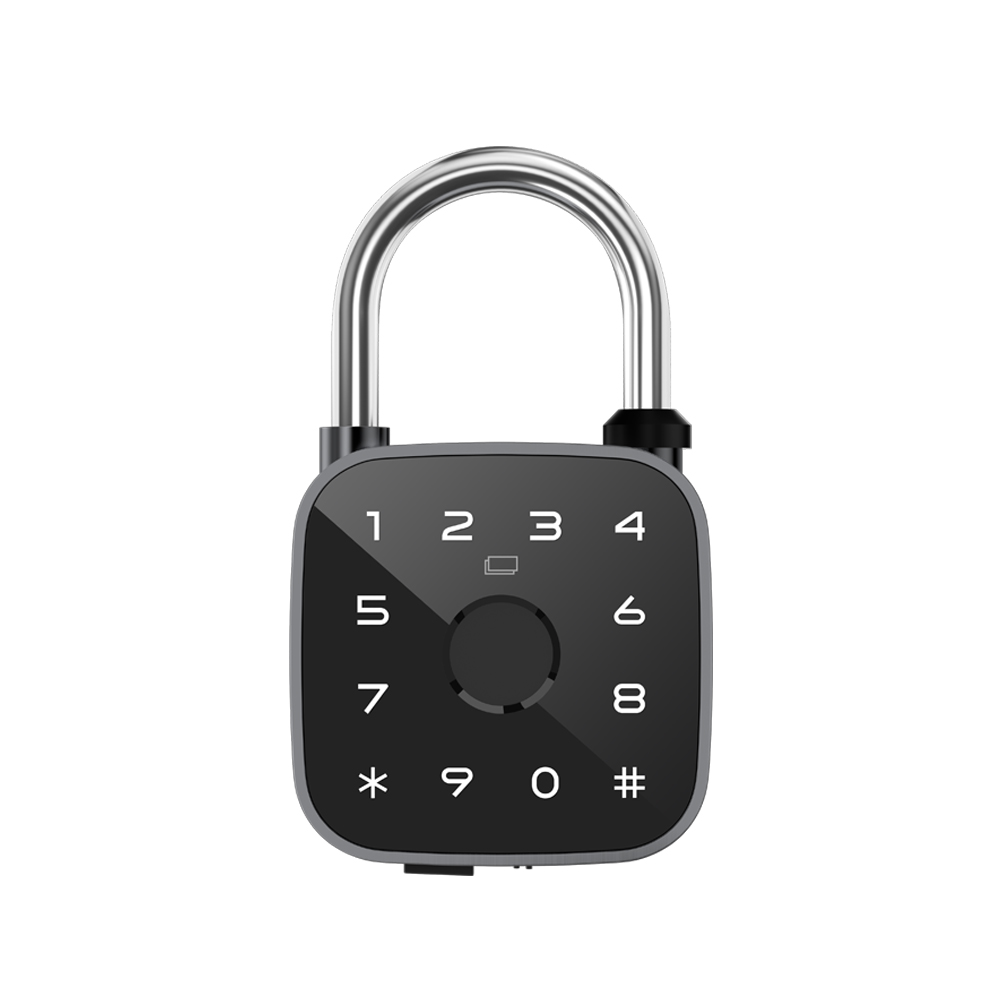
Choosing the right hotel door lock is an important decision for hotel owners, developers, engineers, and procurement teams. A hotel locking system needs to provide reliable security, convenient guest access, simple management, and good long-term value.
Two of the most popular electronic hotel door lock technologies today are RFID and Bluetooth. RFID hotel locks normally use contactless keycards, while Bluetooth hotel locks allow guests to use a smartphone as a digital key.
So, which is better for hotels: Bluetooth or RFID hotel locks?
The answer depends on the hotel’s type, budget, guest expectations, management system, and future development plans. RFID remains an excellent choice for hotels that want a simple, reliable, and cost-effective access solution. Bluetooth is attractive for hotels that want mobile access and a more digital guest experience.
For many new hotels and renovation projects, a hotel door lock with both RFID and Bluetooth can provide the best balance between traditional and mobile access.
What Is an RFID Hotel Lock?
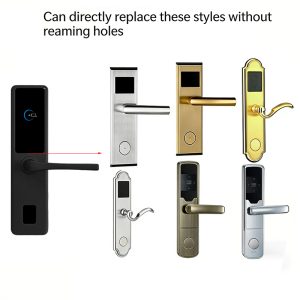
An RFID hotel lock is an electronic hotel door lock that uses radio frequency identification technology to verify a guest’s access credential.
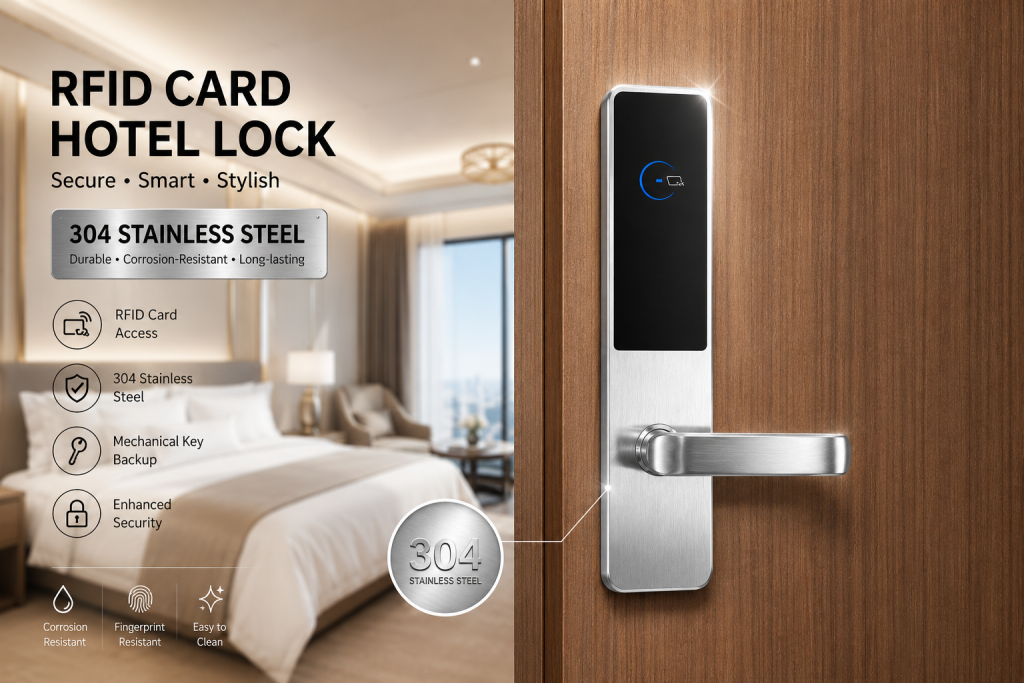
After check-in, the hotel front desk programs an RFID keycard for the guest’s room and stay period. The guest can then place the card near the lock reader to unlock the door.
An RFID hotel lock system typically includes:
- RFID hotel door locks
- RFID keycards
- Card encoder
- Hotel lock management software
- Front desk management system
- Optional access control equipment
The process is simple:
Guest checks in → RFID card is programmed → Guest uses the card to unlock the room → Access permissions are controlled by the hotel system.
This straightforward operation makes RFID hotel locks suitable for many different properties, including budget hotels, business hotels, boutique hotels, resorts, and hotel renovation projects.
For hotels that want reliable electronic access without requiring guests to use a smartphone, RFID remains a practical solution.
What Is a Bluetooth Hotel Lock?
A Bluetooth hotel lock uses Bluetooth Low Energy technology to communicate with an authorized smartphone.
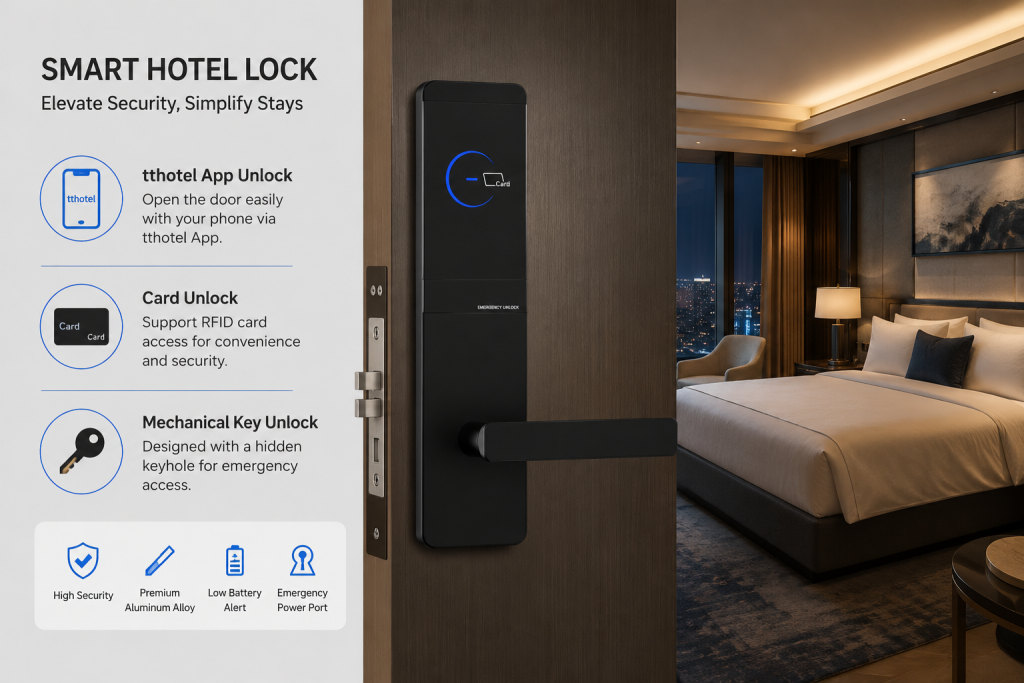
Instead of receiving only a physical keycard, guests can receive a digital key through a hotel mobile application. The smartphone communicates with the Bluetooth-enabled hotel door lock when the guest wants to enter the room.
A typical Bluetooth hotel door lock system may include:
- Bluetooth hotel door locks
- Mobile application
- Digital room keys
- Hotel management software
- Optional PMS integration
- Optional Wi-Fi or Bluetooth gateway
The basic process is:
Reservation → Digital key issued → Guest receives mobile key → Smartphone connects with the lock → Door opens.
This type of system can support a more modern guest experience and is particularly attractive to hotels interested in mobile check-in, contactless access, and digital hotel services.
However, Bluetooth access usually requires guests to have a compatible smartphone and use the hotel’s supported mobile application or digital credential system.
RFID vs Bluetooth Hotel Locks: What Is the Difference?
The main difference is the type of credential used to unlock the door.
| Feature | RFID Hotel Lock | Bluetooth Hotel Lock |
|---|---|---|
| Access method | RFID keycard | Smartphone |
| Physical keycard | Yes | Usually optional |
| Smartphone required | No | Yes |
| Guest experience | Simple and familiar | Mobile and convenient |
| Mobile key | Limited | Yes |
| Front desk dependency | Traditional | Can be reduced |
| Initial system complexity | Generally lower | Generally higher |
| Best suited for | Traditional hotel operations | Mobile-focused hotels |
| Future flexibility | Good | Very good |
| Dual access option | Available on some models | Available on some models |
Neither technology is automatically the best hotel door lock solution for every property.
The right choice depends on what the hotel actually needs.
Which Is More Convenient for Hotel Guests?
RFID is extremely easy for most hotel guests.
The guest receives a keycard during check-in and simply presents it to the lock. No smartphone, application, account, or mobile data connection is required.
This makes RFID particularly suitable for:
- Budget hotels
- Business hotels
- Large hotels
- Resorts
- International hotels
- Hotels with guests of different ages and technology preferences
Bluetooth can provide greater convenience for guests who prefer to use their smartphones.
A guest may receive a digital room key before arrival and potentially access the room without collecting a physical keycard from the front desk.
This can create a more seamless mobile experience.
However, hotels should also consider situations where a guest’s phone battery is low, the mobile application is unavailable, or the guest does not want to use a smartphone.
For this reason, RFID offers universal simplicity, while Bluetooth offers greater mobile convenience.
Which Is Better for Hotel Management?
RFID hotel lock systems are generally easy for hotel employees to understand and operate.
The front desk can issue a keycard during check-in and deactivate or replace it if the guest loses the card.
This familiar workflow is one reason RFID continues to be widely used in hotels.
Bluetooth hotel lock systems can reduce some traditional front desk processes. Digital keys can potentially be issued through a mobile application, supporting mobile check-in and more automated guest access.
However, Bluetooth solutions may require additional software, mobile applications, integrations, and technical support.
For hotels that prioritize simple hotel door lock management, RFID may be the better choice.
For hotels investing in digital hotel management and mobile access, Bluetooth can offer more possibilities.
Which Hotel Lock System Is More Cost-Effective?
For many hotel projects, cost is a major consideration.
A traditional RFID hotel lock system may require:
Lock + RFID Card + Card Encoder + Management Software
This makes it relatively straightforward to deploy, especially for hotels with a large number of rooms.
Bluetooth hotel lock systems may involve additional software, mobile applications, cloud services, integrations, or gateways depending on the selected solution.
However, hotel owners should not compare only the purchase price of the lock.
The total cost of ownership may include:
- Hardware
- Software
- Installation
- Keycards
- Batteries
- Maintenance
- System upgrades
- Integration
- Technical support
For budget hotels and cost-sensitive hotel projects, a reliable RFID hotel lock can provide an excellent balance between functionality and investment.
For hotels that place a higher value on mobile access and digital services, Bluetooth may provide additional long-term benefits.
Are Bluetooth Hotel Locks More Secure Than RFID?
It is difficult to say that one technology is automatically more secure than the other.
The security of a hotel door lock depends on the entire access control system, including credential technology, encryption, access permissions, software, firmware, and management procedures.
A hotel should evaluate:
- Credential security
- Access authorization
- Lost-card or lost-phone management
- Audit records
- Emergency access
- Software security
- Firmware updates
- Data protection
A well-designed RFID hotel lock system can provide reliable access control, while a properly designed Bluetooth hotel lock system can also provide secure digital credentials.
Therefore, instead of asking whether RFID or Bluetooth is more secure, hotel owners should ask whether the complete hotel locking system provides the security and management features required by the property.
Which Is Better for New Hotel Projects?
New hotel projects have an important advantage: the locking system can be considered during the early design stage.
Hotel developers and engineers should evaluate the complete system before selecting a supplier.
Consider these questions:
- How many rooms does the hotel have?
- What type of guests will the hotel serve?
- Is mobile check-in required?
- Does the hotel use a PMS?
- Is remote management necessary?
- What is the project budget?
- Will the hotel add digital services in the future?
- Does the hotel need RFID, Bluetooth, or both?
If the hotel mainly needs reliable electronic room access, RFID can be sufficient.
If the hotel wants smartphone-based room access, Bluetooth may be a better fit.
If the hotel wants to support both current and future access methods, choosing hotel door locks with RFID and Bluetooth can provide greater flexibility.
Which Is Better for Hotel Renovation Projects?
Hotel renovation projects often have different priorities from new construction.
Existing doors may already have specific door preparations, mortise dimensions, and mechanical configurations. Replacing the entire locking infrastructure can increase installation time and project costs.
For this reason, hotel renovation projects should pay particular attention to:
- Existing door compatibility
- Lock body dimensions
- Installation requirements
- Battery life
- System compatibility
- Software compatibility
- Future upgrade options
- Total project cost
An RFID hotel lock can be a practical upgrade from traditional mechanical keys or older electronic locks.
Hotels that want to introduce mobile access can also consider a Bluetooth-enabled RFID hotel lock, allowing the property to continue using RFID cards while adding smartphone access.
This approach can be particularly useful for hotels that want to upgrade gradually rather than completely change their access system.
Which Is Better for Budget Hotels?
For budget-conscious hotel owners, RFID is often the more practical starting point.
Budget hotels typically prioritize:
- Reliable operation
- Simple guest access
- Low installation cost
- Easy maintenance
- Affordable keycards
- Straightforward management
RFID satisfies these requirements without forcing guests to use a smartphone.
However, if a budget hotel wants to offer mobile access as a competitive advantage, a dual RFID and Bluetooth solution can be considered.
The hotel can continue using RFID cards as the standard access method while offering Bluetooth mobile access to guests who prefer it.
Which Is Better for Boutique Hotels and Resorts?
Boutique hotels and resorts often place greater emphasis on guest experience.
Bluetooth can help create a more modern and personalized access experience, especially when combined with mobile check-in and other digital hotel services.
At the same time, RFID should not be overlooked.
Some guests still prefer the simplicity of a physical keycard, particularly during vacations or when they do not want to use their smartphones.
For this reason, RFID + Bluetooth hotel locks can be an attractive solution for boutique hotels and resorts that want to offer both traditional and mobile access.
Should Hotels Choose RFID, Bluetooth, or Both?
There is no universal answer.
Choose RFID if your hotel:
- Wants a cost-effective access system
- Uses traditional front desk check-in
- Serves a wide range of guests
- Wants simple operation
- Prioritizes easy maintenance
- Is working with a limited budget
- Is upgrading an existing hotel
Choose Bluetooth if your hotel:
- Wants smartphone-based room keys
- Plans to offer mobile check-in
- Targets technology-oriented travelers
- Wants a more digital guest experience
- Wants to reduce dependence on physical keycards
- Plans to expand mobile hotel services
Choose RFID + Bluetooth if your hotel:
- Wants both card and mobile access
- Wants to offer guests more choices
- Wants a flexible long-term solution
- Is planning a new hotel project
- Is upgrading an existing hotel
- Wants to introduce mobile access gradually
For many hotels, the third option can provide the best balance.
Final Verdict: Which Is Better for Hotels?
So, which is better for hotels: Bluetooth or RFID hotel locks?
For hotels that prioritize simplicity, reliability, and cost efficiency, RFID remains an excellent choice.
For hotels that prioritize mobile access, digital services, and smartphone convenience, Bluetooth can provide a more modern guest experience.
However, hotels do not necessarily have to choose only one technology.
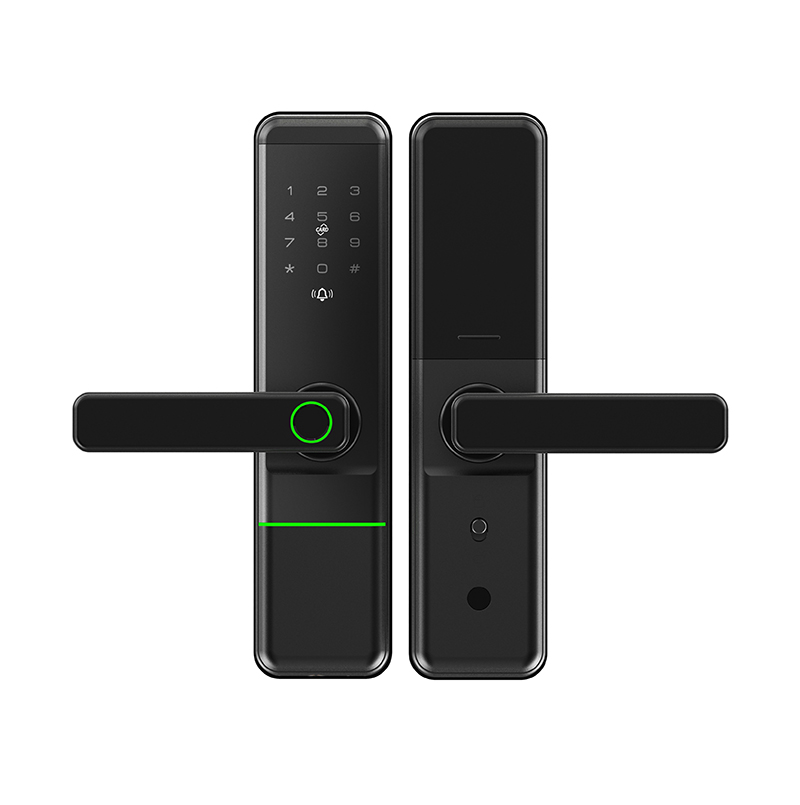
A hotel door lock with RFID and Bluetooth can combine the advantages of both systems. Guests can use traditional RFID keycards when they want a simple physical credential, while other guests can use a smartphone for mobile access.
For hotel owners, engineers, distributors, and procurement teams, the best hotel door lock is not necessarily the one with the most advanced technology. It is the one that provides the right combination of security, reliability, guest convenience, management efficiency, compatibility, and total cost.
Before choosing a hotel lock supplier, evaluate the hotel’s current requirements as well as its future plans.
The right access solution should not only unlock the hotel room door. It should support the hotel’s operation today and provide enough flexibility for tomorrow.
Frequently Asked Questions
Is RFID or Bluetooth better for hotel locks?
RFID is generally better for hotels that want simple, reliable, and cost-effective access. Bluetooth is better for hotels that want smartphone-based mobile access. Hotels that want both options can choose an RFID and Bluetooth hotel lock.
What is the best hotel door lock system?
The best hotel door lock system depends on the hotel’s size, budget, guest profile, management system, and access requirements. RFID, Bluetooth, and dual RFID-Bluetooth systems can all be suitable depending on the project.
Can hotel locks support both RFID and Bluetooth?
Yes. Some electronic hotel door locks support both RFID cards and Bluetooth mobile access, allowing hotels to provide physical keycards and smartphone-based room keys through the same locking solution.
Do Bluetooth hotel locks need Wi-Fi?
Not always. Bluetooth can be used directly between the smartphone and the lock. Wi-Fi or a gateway may be required when the hotel wants online connectivity, remote management, or integration with other systems.
Are RFID hotel locks suitable for small hotels?
Yes. RFID hotel locks can be a practical choice for small hotels because they provide electronic access control while keeping operation relatively simple and cost-effective.
Are Bluetooth hotel locks suitable for hotel apartments?
Yes. Bluetooth hotel locks can be suitable for hotel apartments and serviced apartments where mobile access and flexible guest management are important.
Should a hotel replace RFID locks with Bluetooth locks?
Not necessarily. If the existing RFID system is working well, the hotel may consider adding or upgrading to a solution that supports Bluetooth rather than completely replacing its existing access strategy.
Conclusion
RFID hotel locks are a practical choice for reliable and cost-effective hotel access, while Bluetooth hotel locks provide greater mobile convenience. For hotels looking for maximum flexibility, RFID + Bluetooth hotel locks can combine both access methods in one solution.
The right choice ultimately depends on the hotel’s guests, budget, management requirements, renovation conditions, and long-term development strategy.