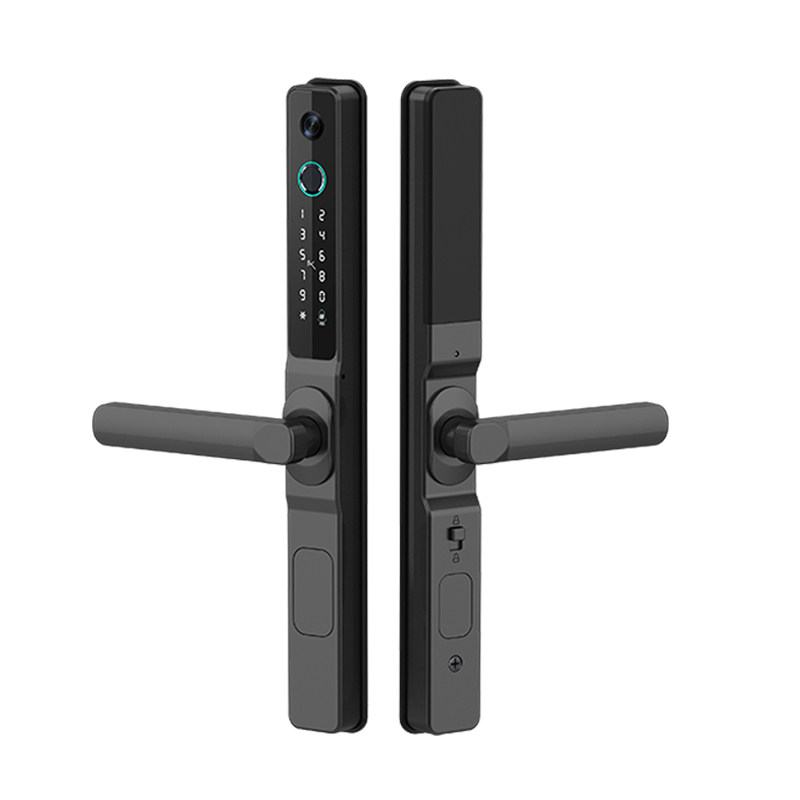
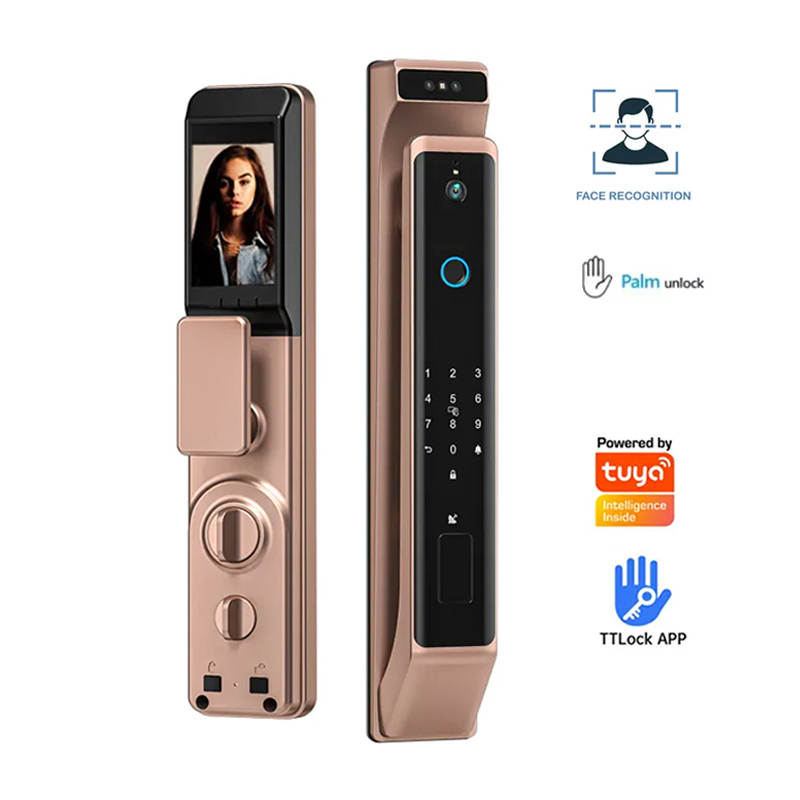
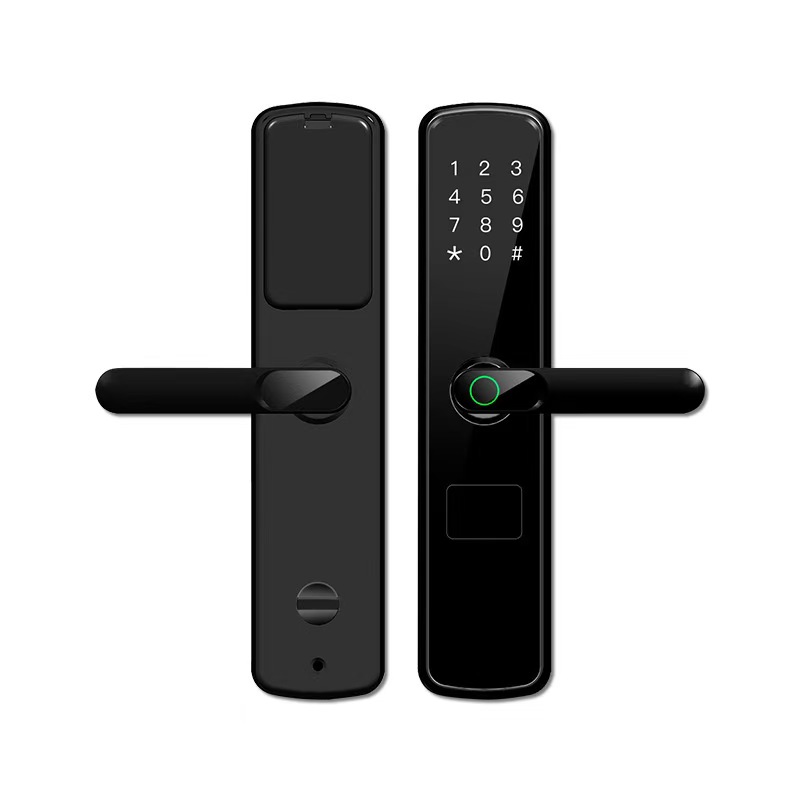
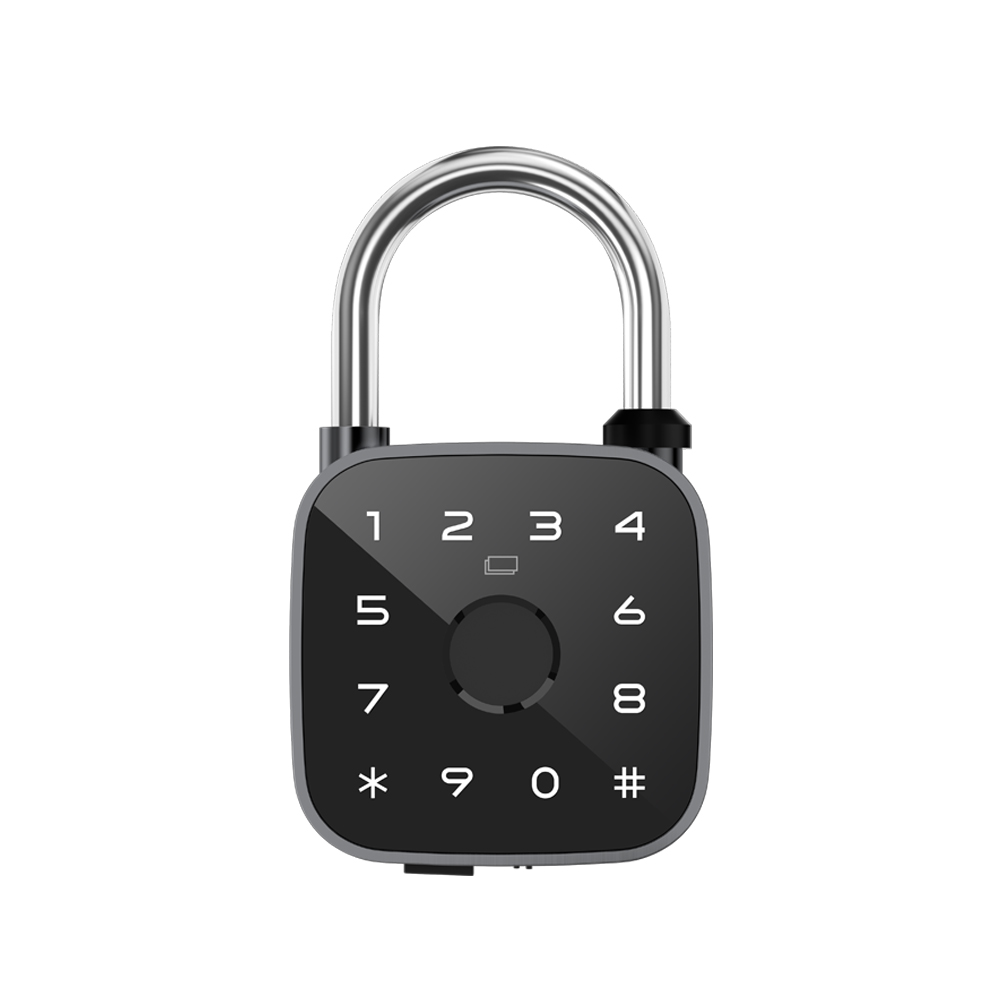
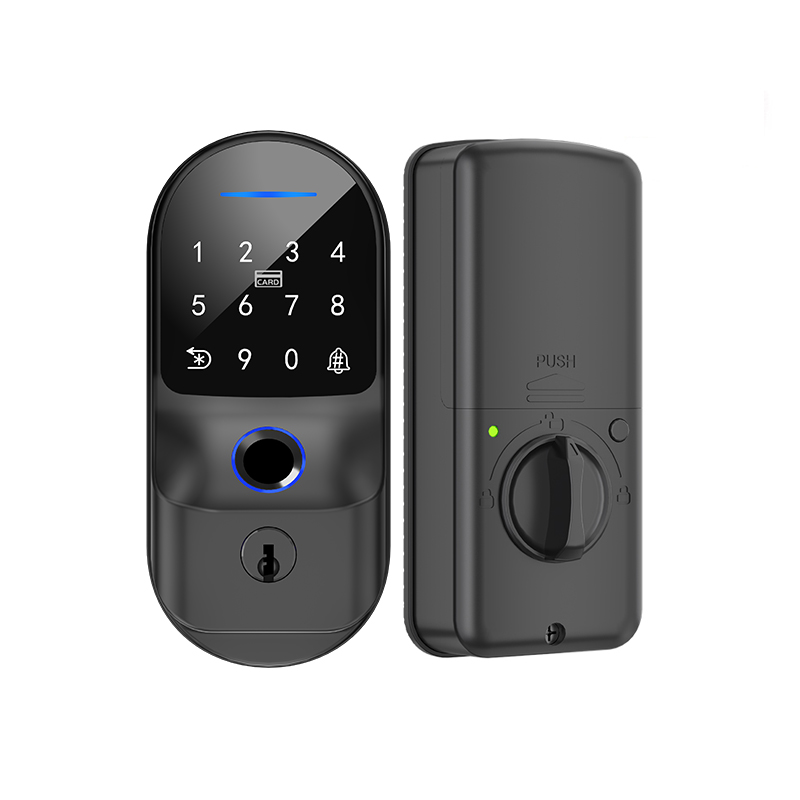
Choosing the right hotel door locks is an important decision for new construction and hotel renovation projects. The best solution depends on door specifications, installation requirements, access control functions, project budgets, and long-term maintenance needs.
For hotel engineering contractors, hotel lock wholesalers, and project procurement teams, new construction and renovation require different approaches. New projects offer greater flexibility in planning doors and locks, while renovation projects often require replacement locks that fit existing doors and minimize installation work.
For new hotel projects, prioritize early planning, door compatibility, and access control requirements. For renovation projects, focus on replacement compatibility, reduced door modifications, and installation efficiency.
This guide explains how to choose hotel door locks for both situations, compare RFID and Bluetooth options, and control project costs.
1. New Hotel Project vs. Hotel Renovation: What Are the Main Differences?
New Hotel Construction Projects
New construction allows contractors to coordinate doors, lock bodies, and access control requirements before installation.
Key considerations include:
- Door specifications: Confirm door thickness, lock body dimensions, backset, center distance, and installation requirements before door production.
- Access control: Decide whether the hotel needs RFID card access, Bluetooth mobile unlocking, or a combination of supported methods.
- Hotel positioning: Match lock appearance and functions to the property’s operating requirements.
- System compatibility: Confirm whether the locks need to work with hotel management software or a compatible mobile app.
- Bulk purchasing: Standardize lock models across compatible doors to simplify procurement, installation, and maintenance.
Early coordination between the hotel owner, engineering contractor, door supplier, and lock manufacturer helps reduce specification changes and installation problems.
Hotel Renovation and Lock Replacement Projects
Renovation projects often involve existing doors, outdated lock models, and limited construction time. Replacing old hotel door locks without unnecessary modifications is therefore a major purchasing priority.
Before selecting replacement locks, contractors should check:
- Existing lock body dimensions and installation holes.
- Door thickness, backset, and center distance.
- Handle positions, fixing points, and latch configuration.
- Compatibility with the existing door structure.
- Whether additional drilling, machining, or surface repairs are required.
A replacement lock may have an attractive unit price but become more expensive if it requires extensive door modifications and additional labor.
For hotels that remain operational during renovation, a compatible replacement solution can also reduce room downtime and disruption to guests.
2. How Should You Choose Hotel Door Locks for New Construction?
For a new hotel project, define the required functions and confirm the door specifications before approving the lock model.
Select Locks According to the Hotel Type
Economy hotels and budget hotels
RFID hotel door locks are a practical choice for properties that issue room cards during check-in. Buyers can compare available models according to their required functions, design, specifications, and budget.
For projects with many rooms, standardizing compatible models can simplify installation and future maintenance.
Business hotels and star-rated hotels
These projects may prioritize consistent appearance, convenient guest access, and reliable daily operation. RFID card locks or models with optional Bluetooth mobile unlocking can be considered according to the hotel’s operating requirements.
Boutique hotels and serviced apartments
Bluetooth hotel door locks may suit properties that want to provide mobile access through a compatible smartphone app. Buyers should consider the check-in process, credential management, and whether guests can conveniently use app-based unlocking.
The best choice depends on the property’s actual operating model rather than its category alone.
Confirm Door Specifications Before Ordering
Incorrect door preparation can delay installation, especially when hundreds of locks are involved.
Before placing a bulk order, confirm:
- Door material and thickness.
- Lock body type and dimensions.
- Backset and center distance.
- Handle and cylinder positions.
- Door opening direction and fixing requirements.
- Battery or power supply requirements, where applicable.
- Required access methods and system compatibility.
Prepare a door and lock specification sheet for each door type. Where practical, review the manufacturer’s drawings and install a sample lock on a representative door before approving the full order.
3. How Should You Choose Hotel Door Locks for Renovation Projects?
For hotel renovation projects, the existing door often determines which replacement locks are suitable. Contractors should evaluate the existing door preparation before selecting a new model.
Choose Replacement Hotel Locks That Fit Existing Doors
Replacing an old hotel lock does not always require replacing the entire door or drilling new holes.
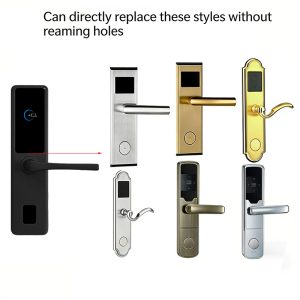
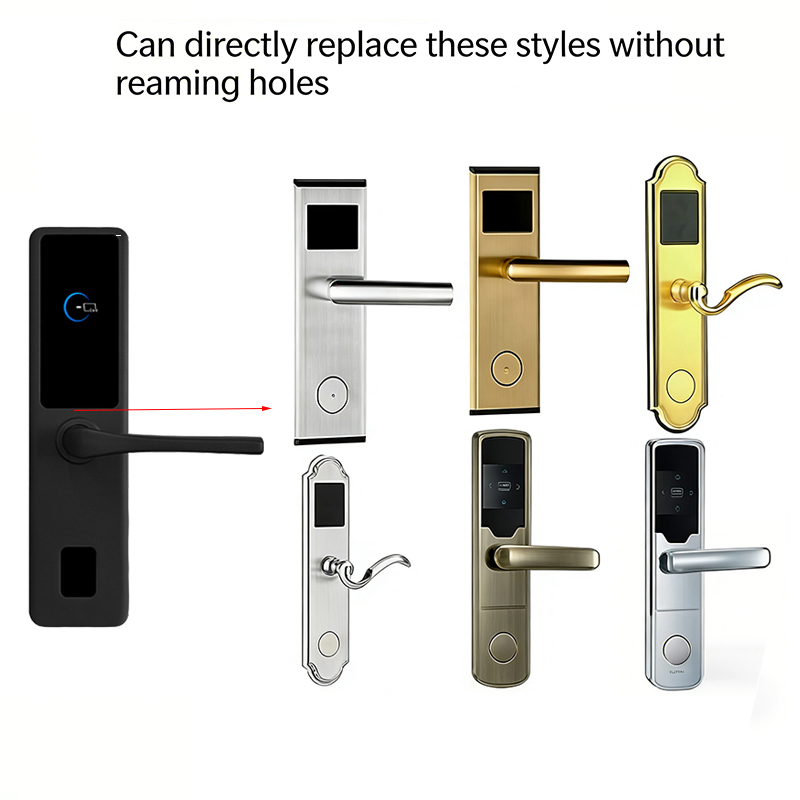
Our replacement hotel lock solution is designed to replace multiple older lock models while reusing existing door holes when the original door preparation is compatible.
Instead of sourcing a separate replacement for every older lock model, contractors may be able to use one replacement lock model across several compatible door configurations.
One replacement hotel lock model can replace multiple older lock models without new drilling on compatible doors.
This offers several practical benefits for hotel door lock retrofit projects:
- Simplified product selection: One model may cover several compatible older lock designs.
- Reduced installation work: Avoid unnecessary drilling and machining.
- Lower modification costs: Minimize additional labor and door repair expenses.
- Preserved door appearance: Help protect existing door surfaces and finishes.
- More efficient upgrades: Simplify replacement work across multiple compatible rooms.
These advantages are particularly valuable when renovating older hotels, replacing discontinued lock models, or upgrading many guest room doors within a limited timeframe.
Hotel Lock Replacement Without Drilling: What Should Contractors Check?
The phrase hotel lock replacement without drilling describes an important project requirement, but compatibility must be verified before ordering.
Different older lock models may have different lock body dimensions, backsets, center distances, and fixing positions. A similar exterior appearance does not guarantee that two locks use the same door preparation.
Before purchasing, contractors should provide the manufacturer with:
- Photographs of the existing locks.
- Lock body dimensions and mounting positions.
- Door thickness and backset measurements.
- Center distance and fixing point information.
- Installation drawings, if available.
The manufacturer can then help determine whether the replacement lock can reuse the existing holes or whether modifications will be necessary.
For projects involving several door types, test a sample lock on representative doors before proceeding with the full order.
For hotel engineering contractors, a replacement lock that fits several older models without new drilling can help simplify hotel renovation, reduce installation work, and make large-scale lock replacement more efficient.
4. RFID Hotel Locks vs. Bluetooth Hotel Locks: Which Is Better?
RFID and Bluetooth hotel door locks can both suit new construction and renovation. The right choice depends on the hotel’s guest access process, management requirements, and budget.
| Selection Factor | RFID Hotel Door Locks | Bluetooth Hotel Door Locks |
|---|---|---|
| Guest access | RFID room card | Smartphone using a compatible app |
| Guest requirements | An issued access card | A compatible phone and app |
| Management requirements | Card issuing and access management | App and credential management |
| Common applications | Hotels using card-based check-in | Selected boutique hotels and serviced apartments |
| Key purchasing checks | Card frequency, encoding, and system compatibility | App compatibility, access permissions, and connectivity |
When Should You Choose RFID Hotel Locks?
RFID hotel locks are suitable for properties that issue room cards through a front desk or established check-in process.
They are commonly considered for economy hotels, business hotels, chain hotels, and other properties that prefer card-based access.
Before ordering, confirm card frequency, card compatibility, encoding requirements, and any hotel management system integration needs.
When Should You Choose Bluetooth Hotel Locks?
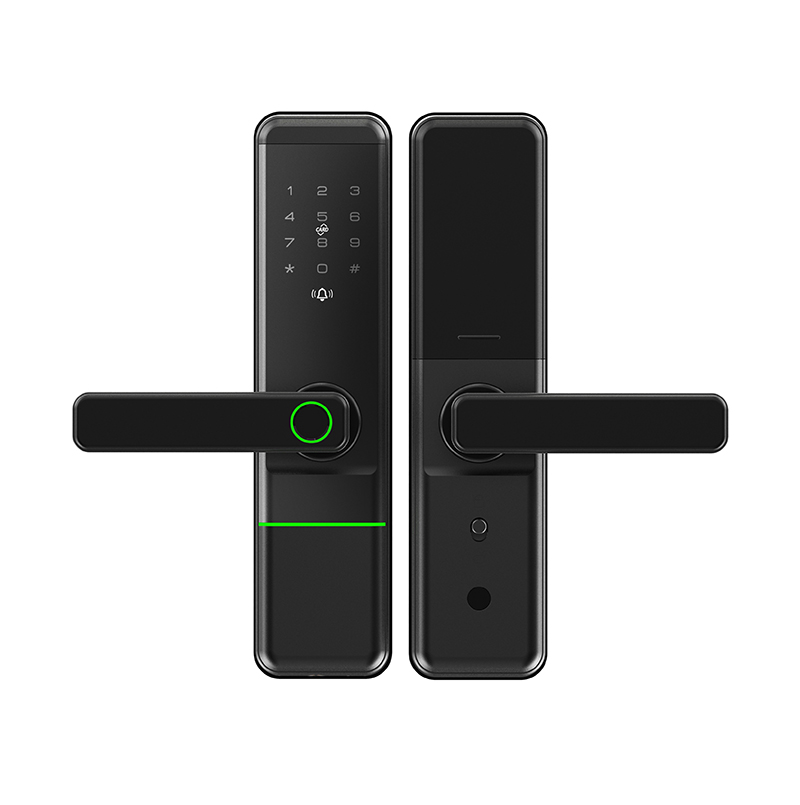
Bluetooth hotel locks may be appropriate when a property wants to provide mobile unlocking through a compatible smartphone app.
For example, a compatible TTHotel App solution can support Bluetooth-based hotel room access, depending on the selected lock model and system configuration.
Before choosing this option, confirm how guest access permissions are created, how mobile credentials are delivered, and whether the hotel’s check-in process supports app-based access.
A gateway is not automatically required for every Bluetooth lock installation. Remote access and monitoring may require additional compatible hardware, depending on the system.
For projects requiring different access methods, buyers can also ask whether RFID and Bluetooth configurations are available within the manufacturer’s product range.
5. How Can You Control Hotel Door Lock Costs in Different Projects?
Controlling hotel door lock costs requires more than comparing unit prices. Product specifications, installation requirements, project quantities, and door compatibility can all affect the final budget.
Cost Control for New Hotel Projects
For new construction, select hotel door locks during the door specification and procurement planning stages.
Project buyers can control costs by:
- Confirming specifications early: Coordinate lock dimensions and installation requirements with the door supplier.
- Selecting necessary functions: Choose RFID, Bluetooth, or other supported features according to actual operating needs.
- Standardizing compatible models: Reduce unnecessary variation across rooms.
- Comparing complete quotations: Review product configurations, accessories, installation requirements, and after-sales support.
- Confirming samples: Check the actual product before approving a bulk order.
Cost Control for Hotel Renovation Projects
For renovation projects, door compatibility and installation work can significantly affect replacement costs.
Project buyers should verify existing door preparation, choose compatible replacement locks, minimize unnecessary drilling, and protect existing door finishes wherever possible.
Planning installation in stages can also help reduce room downtime. Testing a sample lock before ordering for all rooms helps identify potential compatibility problems early.
Compare Total Project Cost, Not Just Unit Price
A low unit price does not necessarily mean a low total project cost. Additional labor, door modifications, accessories, and maintenance requirements can change the overall budget.
For both new construction and renovation, compare quotations using consistent functional and technical requirements. The objective is to meet the project’s needs without paying for unnecessary features or avoidable installation work.
6. What Should Hotel Engineering Contractors Check Before Bulk Purchasing?
Before confirming a hotel lock order, engineering contractors and procurement teams should review the following checklist.
1. Door compatibility: Confirm door thickness, lock body dimensions, installation holes, and opening direction.
2. Access methods: Determine whether the project requires RFID cards, Bluetooth mobile unlocking, mechanical key backup, or other supported functions.
3. System requirements: Check whether the locks operate independently or need to work with hotel management software, an app, or other access control equipment.
4. Product specifications: Confirm the model, functions, materials, finish, accessories, and technical requirements.
5. Installation documentation: Request product drawings and installation instructions before ordering.
6. Sample approval: Test a sample lock on a representative door to verify fit, appearance, and operation where practical.
7. Order consistency: Confirm the model, configuration, accessories, and agreed specifications across the bulk order.
8. Warranty and after-sales support: Clarify warranty terms, spare parts availability, technical assistance, and procedures for handling product issues.
9. Delivery schedule: Coordinate production and delivery with the construction or renovation timeline.
These checks help wholesalers and distributors supply products that match their customers’ project requirements while reducing avoidable purchasing and installation problems.
7. How Can a Hotel Lock Manufacturer Support Your Project?
A hotel lock manufacturer can help engineering contractors, wholesalers, and project buyers evaluate products according to door conditions and access requirements.
For new construction, support may include product selection, technical specifications, sample confirmation, and bulk order coordination.
For renovation projects, photographs, measurements, and installation drawings can help determine whether a replacement model is suitable for existing doors.
Depending on project requirements, available solutions may include:
- RFID hotel door locks for card-based guest access.
- Hotel locks in different designs and configurations.
- Replacement hotel door locks for compatible existing door preparations.
- Bluetooth hotel door locks with compatible mobile app access.
Not every lock fits every door or works with every hotel management system. Final selection should be based on verified specifications, access requirements, and installation conditions.
For B2B buyers, clear technical documentation, consistent product specifications, and responsive project communication can make procurement more predictable.
Conclusion: Choose Hotel Door Locks Based on Project Requirements
The main difference between selecting hotel door locks for new construction and renovation is the starting point.
For new hotel projects, prioritize early planning, door specifications, access control requirements, and coordination with the door supplier. For renovation projects, prioritize existing door compatibility, reduced modifications, installation efficiency, and total replacement cost.
For older hotels, a replacement hotel lock that fits several older lock models without new drilling on compatible doors can help simplify upgrades and reduce unnecessary door modifications.
RFID and Bluetooth hotel locks can both be suitable, depending on the hotel’s operating model. The best choice is the one that meets the project’s functional, technical, and installation requirements.
Looking for hotel door locks for a new construction or renovation project?
Shenzhen Zhuo Hengda Technology Co., Ltd. provides hotel door lock solutions for different project requirements, including RFID hotel locks, Bluetooth-enabled options, and replacement solutions for compatible existing doors.
Contact our team with your project quantity, existing lock photographs or door specifications, preferred access methods, and budget requirements to discuss suitable hotel lock options for your project.