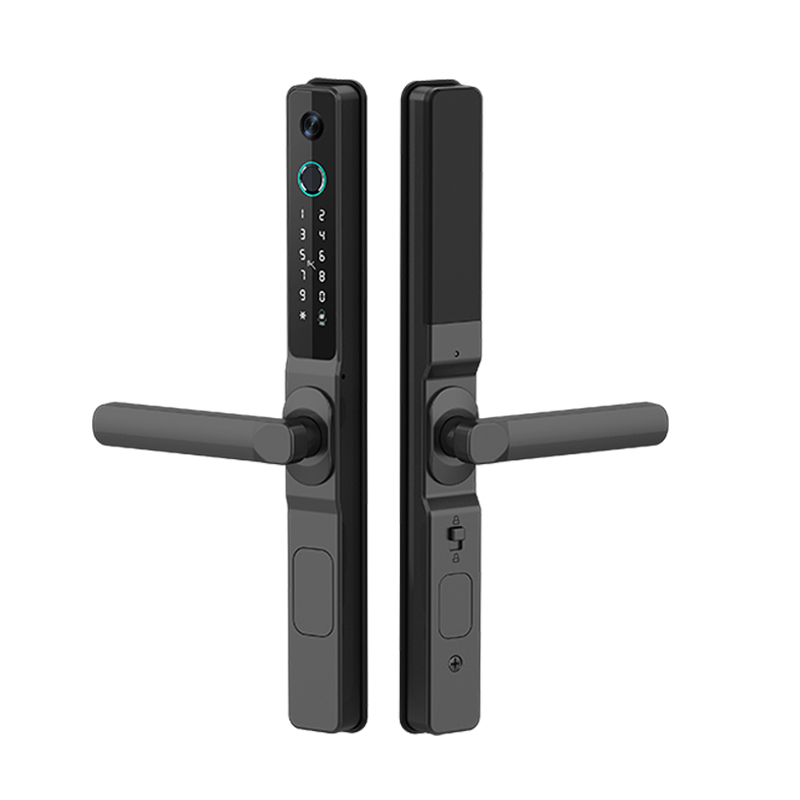
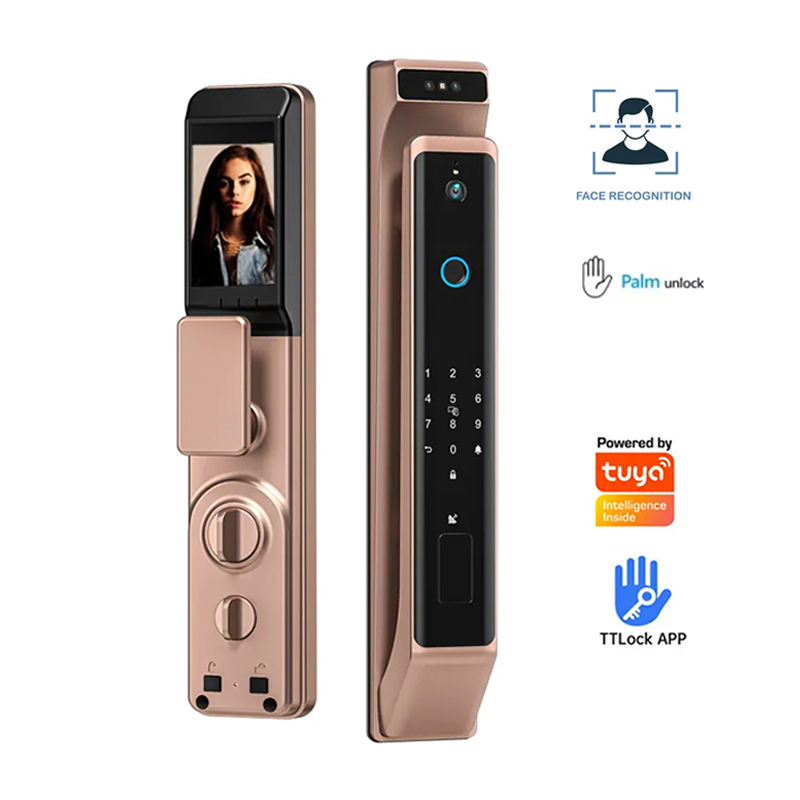
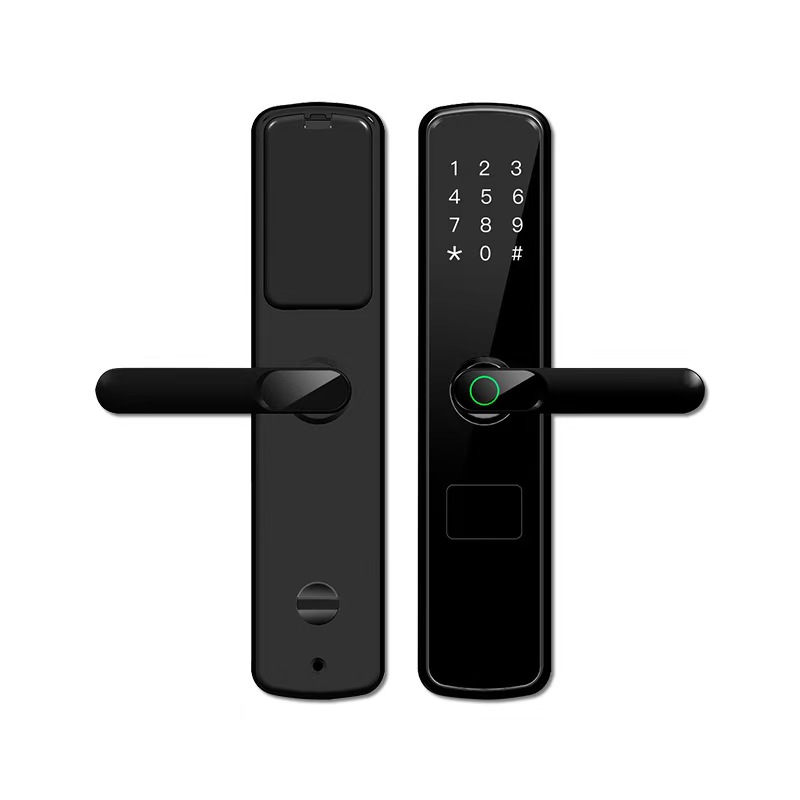
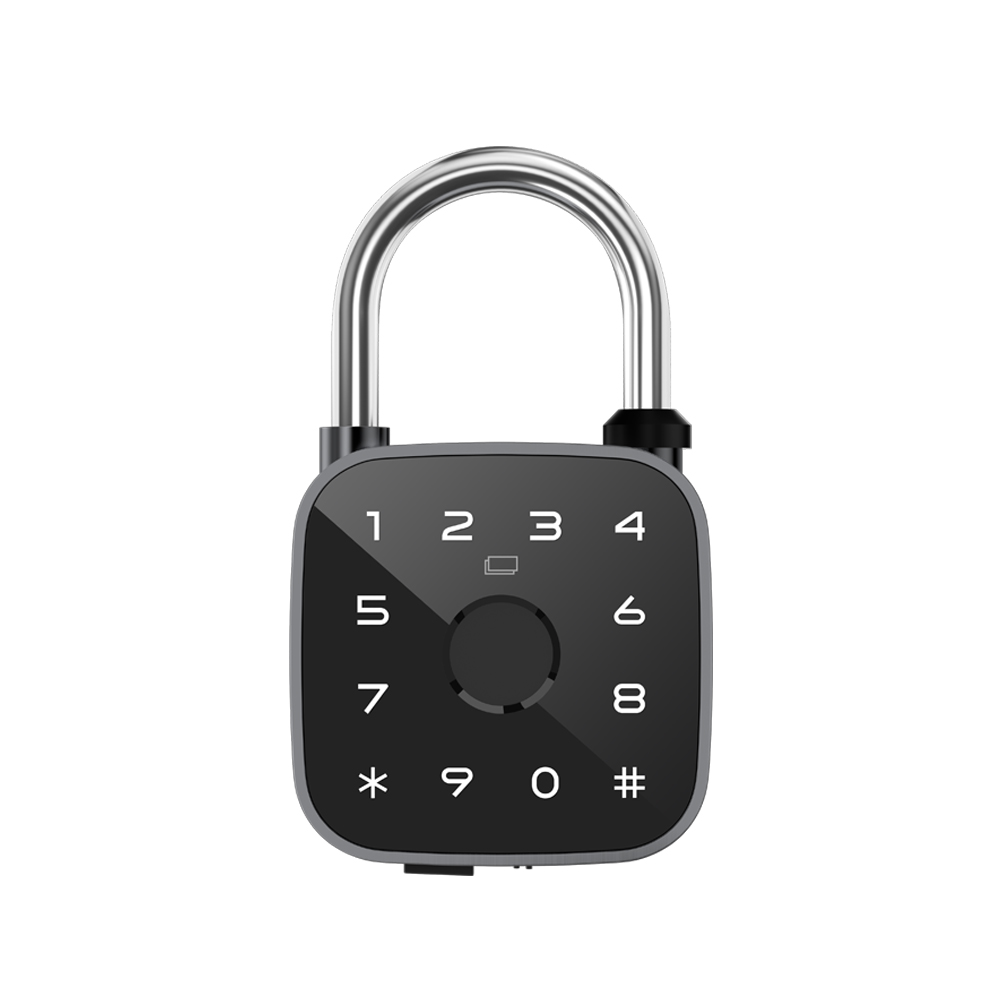
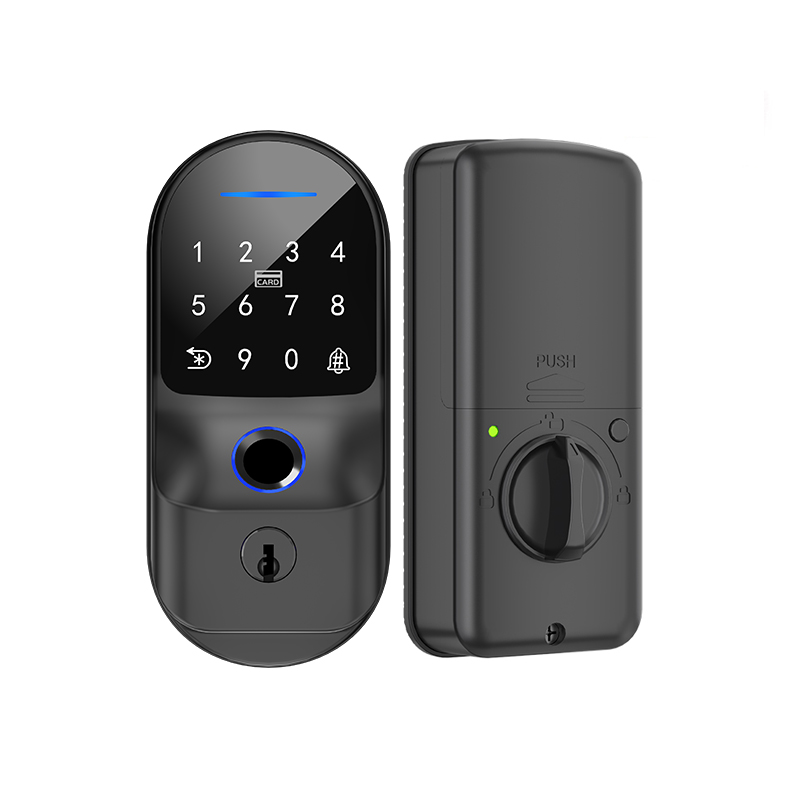
Choosing the right hotel door locks is an important decision for hotel owners, developers, contractors, distributors, and procurement teams. A hotel lock is not simply a device used to open and close a guest room door. It affects guest convenience, room security, installation costs, maintenance, hotel operations, and the overall guest experience.
Today, hotels can choose from RFID hotel locks, Bluetooth hotel locks, electronic key card locks, keypad locks, and smart hotel lock systems. With so many options available, choosing a lock based only on appearance or unit price can create problems later.
Before purchasing hotel door locks, it is important to evaluate the access method, door compatibility, lock body, material, security requirements, software, installation, maintenance, and supplier support.
This guide explains the key factors to consider before purchasing hotel door locks for a new hotel, renovation project, or replacement project.
1. Determine What Type of Hotel Lock You Need
The first step is to determine what type of access system is appropriate for your property.
Common hotel door lock technologies include:
- RFID hotel door locks
- Bluetooth hotel locks
- RFID + Bluetooth hybrid locks
- Keypad hotel locks
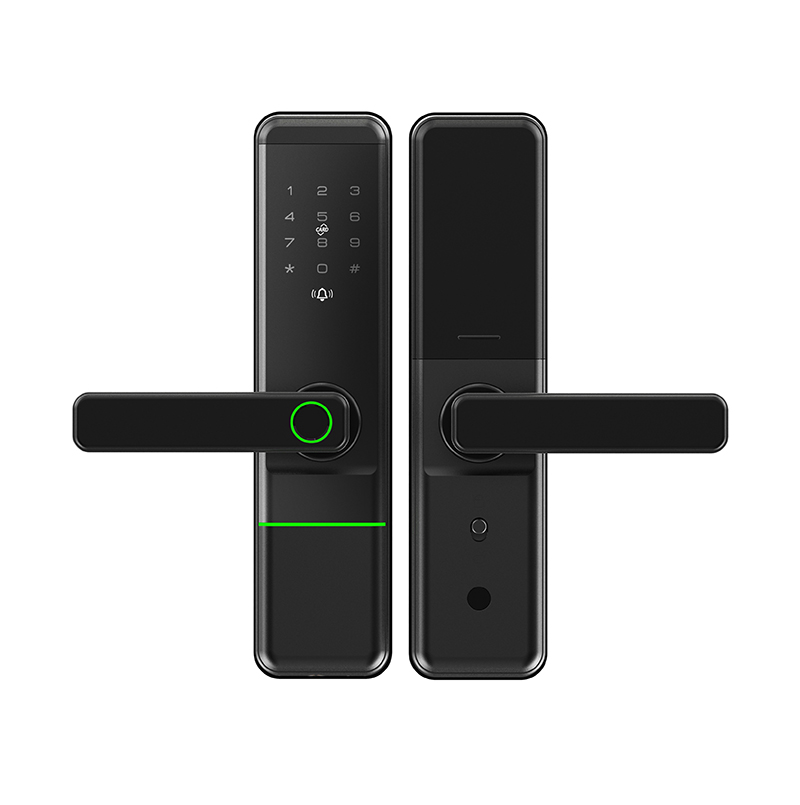
- Smart hotel locks with mobile app access
- Electronic mortise locks
- Electronic cylindrical locks
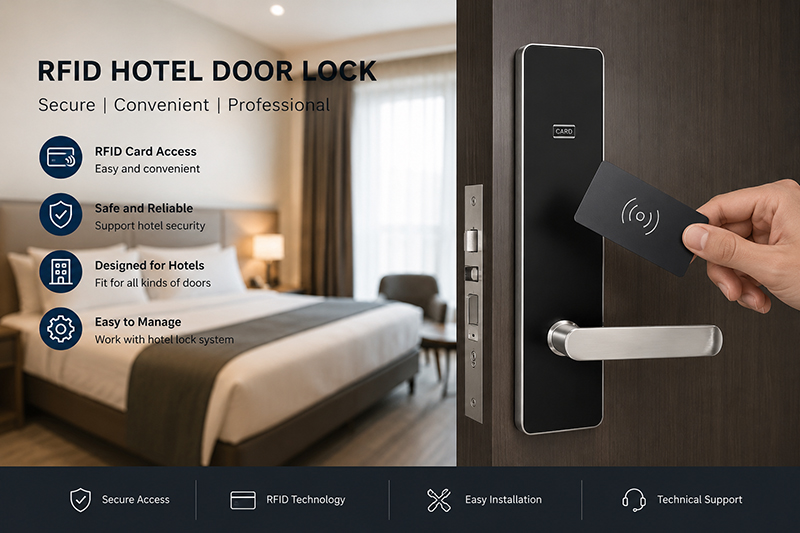
For many hotels, RFID hotel locks remain a practical solution because guests can simply use a key card to access their rooms. RFID systems are particularly suitable for hotels that already have a traditional front-desk check-in process.
Bluetooth hotel locks can provide a more convenient mobile access experience. Guests can use a smartphone instead of a physical room card when the system supports mobile credentials.
The best choice depends on the hotel’s operating model, guest expectations, budget, and existing access control infrastructure. There is no single hotel lock technology that is ideal for every property.
2. Choose the Right Access Method
Access method is one of the most important factors when purchasing hotel door locks.
Depending on the project, you may need one or more of the following:
RFID Card Access
RFID cards are widely used in hotels because they are easy for reception staff to issue and easy for guests to use.
A typical RFID hotel lock system can allow the front desk to encode a card for a specific room and access period.
Bluetooth Mobile Access
Bluetooth allows guests to unlock their hotel room using a smartphone and compatible mobile application.
This can be useful for:
- Boutique hotels
- Modern hotels
- Serviced apartments
- Contactless check-in projects
- Hotels looking to provide mobile-key access
For projects that want both traditional cards and mobile access, a hybrid RFID + Bluetooth hotel lock can provide greater flexibility.
Mechanical Key Override
Even when a hotel uses electronic access, a mechanical key override can be valuable as an emergency or backup access method.
When comparing hotel locks, ask the supplier how emergency access works and whether the mechanical override is integrated into the lock design.
3. Check Door and Lock Body Compatibility
One of the most common mistakes when purchasing hotel door locks is choosing the lock before checking the existing door preparation.
A hotel lock must match the door structure and existing lock installation.
Before ordering, confirm:
- Door thickness
- Door material
- Door opening direction
- Existing lock hole dimensions
- Backset
- Lock body dimensions
- Mortise or cylindrical lock type
- Door frame configuration
- Fire-door requirements
- Existing door preparation
For renovation projects, compatibility is particularly important.
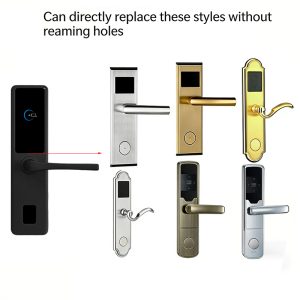
If the new hotel lock can use the existing door preparation, installation may require less modification. This can reduce labor costs, shorten installation time, and minimize disruption to hotel operations.
For this reason, hotel buyers should provide the supplier with door measurements, photos, drawings, or the existing lock specifications before confirming an order.
4. Consider the Hotel Lock Body
The electronic exterior is only one part of a hotel door lock.
The lock body is equally important because it determines how the lock interacts with the door.
Different projects may use different lock bodies, such as:
- Mortise hotel lock bodies
- Cylindrical lock bodies
- Tubular lock bodies
- European-style lock bodies
- ANSI-standard lock bodies
- Customized lock bodies
For example, some North American hotel projects use cylindrical or ANSI-style door preparations, while other markets may use different mortise configurations.
If you are replacing existing hotel locks, do not assume that every electronic lock can directly replace the old one.
Always confirm the lock body and door preparation before purchasing.
5. Pay Attention to Hotel Lock Security and Standards
Security should be evaluated at both the electronic and mechanical levels.
A hotel door lock should provide reliable authentication while maintaining dependable mechanical operation.
When evaluating a hotel lock, consider:
- Credential security
- Unauthorized access protection
- Mechanical strength
- Lock body quality
- Electronic reliability
- Emergency access
- Battery failure protection
- Audit or access records where applicable
Depending on the project and market, buyers may also need to consider applicable building codes, fire requirements, accessibility requirements, and hardware standards.
For projects involving controlled egress or fire-rated doors, the lock should be evaluated as part of the complete door and life-safety system rather than as an isolated product.
Therefore, hotel buyers should ask the supplier which certifications and test reports are available for the specific model rather than assuming that all electronic hotel locks meet the same requirements.
6. Select the Right Material and Finish
Hotel locks are used frequently and are exposed to constant handling. Material selection can therefore affect durability, appearance, and long-term maintenance.
Common materials include:
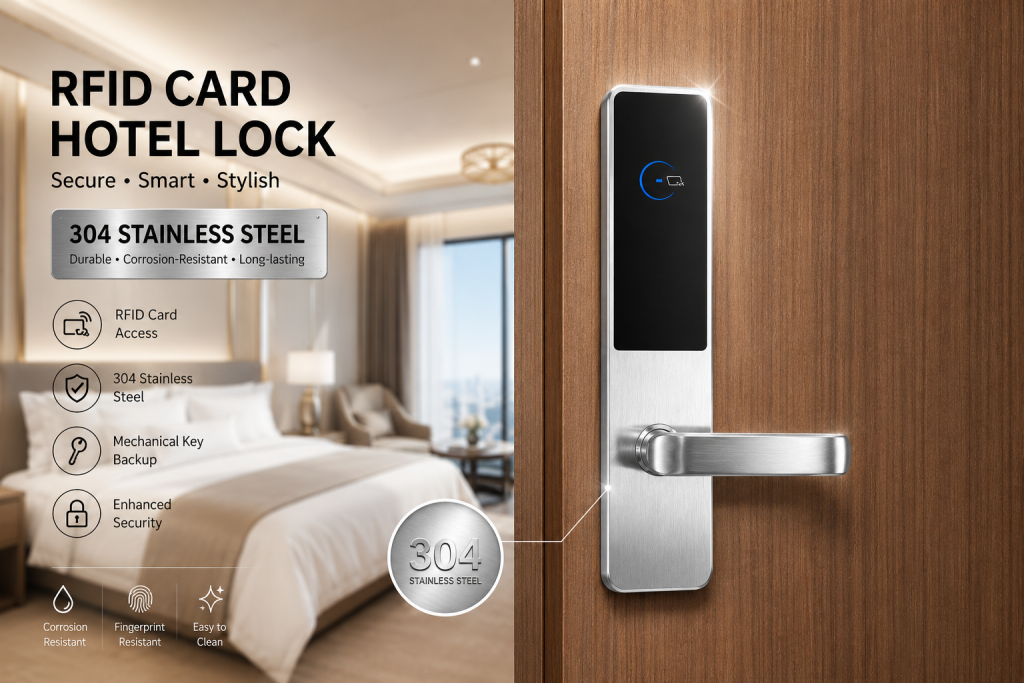
- Stainless steel
- Zinc alloy
- Aluminum alloy
- Brass and other metal combinations
Stainless steel hotel locks are often selected when durability and corrosion resistance are important priorities.
Zinc alloy hotel locks can offer more flexibility in design and finishing, making them suitable for hotels looking for a balance between appearance and cost.
Aluminum alloy hotel locks can provide a lightweight solution while supporting modern and stylish designs.
The right material depends on the hotel’s positioning, environment, design requirements, and project budget.
For coastal or humid environments, corrosion resistance should receive particular attention.
7. Check Hotel Management Software Compatibility
The hardware is only one part of a modern hotel access system.
If your project requires software integration, ask the supplier about:
- Hotel lock management software
- Card encoding software
- Mobile applications
- Bluetooth management
- PMS integration
- Guest mobile keys
- Staff access management
- Access permissions
- System upgrades
If the hotel already uses a PMS or another access control platform, compatibility should be confirmed before placing the order.
For Bluetooth projects, also clarify how guests receive mobile credentials and how staff members such as housekeeping and maintenance personnel are authorized.
A good hotel lock system should fit the hotel’s existing workflow rather than forcing the hotel to completely change its operation.
8. Evaluate Battery Life and Maintenance
Most wireless hotel door locks use batteries, so battery performance is an important consideration.
Before purchasing, ask:
- What type of battery does the lock use?
- What is the expected battery life?
- Does the lock provide a low-battery warning?
- How is emergency power supplied?
- How easy is battery replacement?
- Are replacement parts available?
For hotels with hundreds of rooms, small differences in battery performance can become significant maintenance costs over time.
The lock should also be designed so that routine maintenance can be performed efficiently by hotel engineering staff.
9. Think About Installation and Hotel Renovation Costs
For a new hotel, door hardware can be specified during the design and construction stage.
For an existing hotel, the situation is different.
A renovation project may already have:
- Existing door holes
- Existing lock bodies
- Existing door frames
- Decorative door panels
- Fire-rated doors
- Existing access control equipment
Replacing a lock that fits the existing door preparation can significantly simplify installation.
This is why hotel lock replacement and hotel door lock retrofit projects should focus on compatibility and installation efficiency, not only on the appearance of the new lock.
For large renovation projects, request a sample lock and test it on an actual hotel door before ordering the complete quantity.
10. Compare Total Cost, Not Just Unit Price
The lowest unit price does not necessarily mean the lowest project cost.
The total cost of a hotel door lock project may include:
- Lock hardware
- RFID cards
- Card encoders
- Management software
- Bluetooth components
- Gateways, if required
- Installation
- Spare parts
- Replacement batteries
- Training
- Technical support
- Future maintenance
Therefore, hotel procurement teams should evaluate the total cost of ownership (TCO) rather than comparing only the price per lock.
A slightly higher-quality lock may provide better long-term value if it reduces installation problems, maintenance requirements, or replacement costs.
11. Ask for Samples Before Ordering in Bulk
For a large hotel project, purchasing directly from photos or product catalogs can be risky.
A sample installation allows you to evaluate:
- Actual appearance
- Door compatibility
- Lock operation
- Card reading performance
- Bluetooth performance
- Handle feel
- Lock body installation
- Battery replacement
- Software operation
A sample also allows hotel owners, architects, contractors, and engineers to confirm that the product matches the project requirements.
For B2B hotel lock purchasing, sample testing before bulk production is one of the simplest ways to reduce project risk.
12. Choose a Hotel Lock Supplier That Can Support Your Project
The supplier is just as important as the lock itself.
When choosing a hotel lock manufacturer or hotel lock supplier, consider:
Product Experience
Does the supplier specialize in hotel locks and electronic access control?
OEM and ODM Capability
Can the supplier provide customized finishes, packaging, software solutions, or other project-specific requirements?
Technical Support
Can the supplier provide installation instructions, software support, wiring information, lock body specifications, and troubleshooting assistance?
Spare Parts
Are replacement handles, batteries, lock bodies, electronic components, and other spare parts available?
Production Capacity
Can the manufacturer deliver the required quantity within the project’s schedule?
Quality Control
Ask about factory testing, quality inspection procedures, and product testing.
After-Sales Support
A hotel lock may be installed for many years. Reliable technical and after-sales support is therefore an important part of the purchasing decision.
13. Match the Lock to Your Hotel Type
Different hotels may have different priorities.
Luxury Hotels
Luxury properties may prioritize premium materials, sophisticated design, mobile access, and seamless guest experience.
Boutique Hotels
Boutique hotels often look for distinctive designs combined with flexible access options.
Business Hotels
Business hotels may prioritize reliability, fast guest access, and efficient front-desk operation.
Budget Hotels
Budget hotels generally need a practical balance between price, durability, security, and easy maintenance.
Serviced Apartments
Serviced apartments may benefit from Bluetooth or mobile access because guests may stay for longer periods and require flexible access management.
Hotel Renovation Projects
Renovation projects should place particular emphasis on compatibility, installation efficiency, and minimizing door modification.
14. Create a Clear Hotel Lock Specification Before Requesting a Quote
Before contacting manufacturers, prepare a basic specification.
Your RFQ can include:
- Number of rooms
- Hotel type
- Country or target market
- New construction or renovation
- Door thickness
- Existing lock body
- Required access methods
- RFID card type
- Bluetooth requirement
- Mechanical key requirement
- Material preference
- Finish/color
- Software requirements
- PMS integration requirements
- Required certifications
- Delivery schedule
- Quantity
The more information you provide, the easier it is for a hotel lock supplier to recommend the right model and provide an accurate quotation.
Final Checklist: What Should You Know Before Buying Hotel Door Locks?
Before placing an order, make sure you have answered these questions:
1. What access method does the hotel need?
RFID, Bluetooth, mobile app, keypad, mechanical key, or a combination?
2. Is the lock compatible with the existing door?
Check door thickness, lock body, backset, holes, and installation dimensions.
3. Does the product meet the required standards?
Confirm the certifications and requirements applicable to your market and project.
4. Is the material suitable for the hotel environment?
Consider durability, corrosion resistance, design, and maintenance.
5. Does the software match your hotel operation?
Check management software, mobile access, and PMS integration where required.
6. Is the installation cost reasonable?
Especially for renovation and replacement projects.
7. Is the supplier capable of long-term support?
Check production capacity, spare parts, technical support, and after-sales service.
8. Have you tested a sample?
Always test the lock on the actual or representative door before a large-scale purchase.
Conclusion
Purchasing hotel door locks is a project decision, not simply a hardware purchase. The right solution should balance security, access technology, door compatibility, design, durability, installation efficiency, software capability, maintenance, and total cost.
For a new hotel, the focus may be on system integration and guest experience. For a hotel renovation project, compatibility and installation efficiency may be more important. For budget hotels and large-scale projects, reliability and total project cost can become the key considerations.
Whether you are purchasing RFID hotel locks, Bluetooth hotel locks, electronic hotel door locks, or smart hotel lock systems, start with your property’s actual requirements rather than choosing a product based only on price or appearance.
A professional hotel lock manufacturer or supplier should be able to help you evaluate the door configuration, access technology, lock body, software requirements, and project needs before you place a bulk order.
The goal is not simply to find the cheapest hotel door lock. It is to find a reliable hotel lock solution that fits your doors, your operation, your guests, and your long-term project budget.