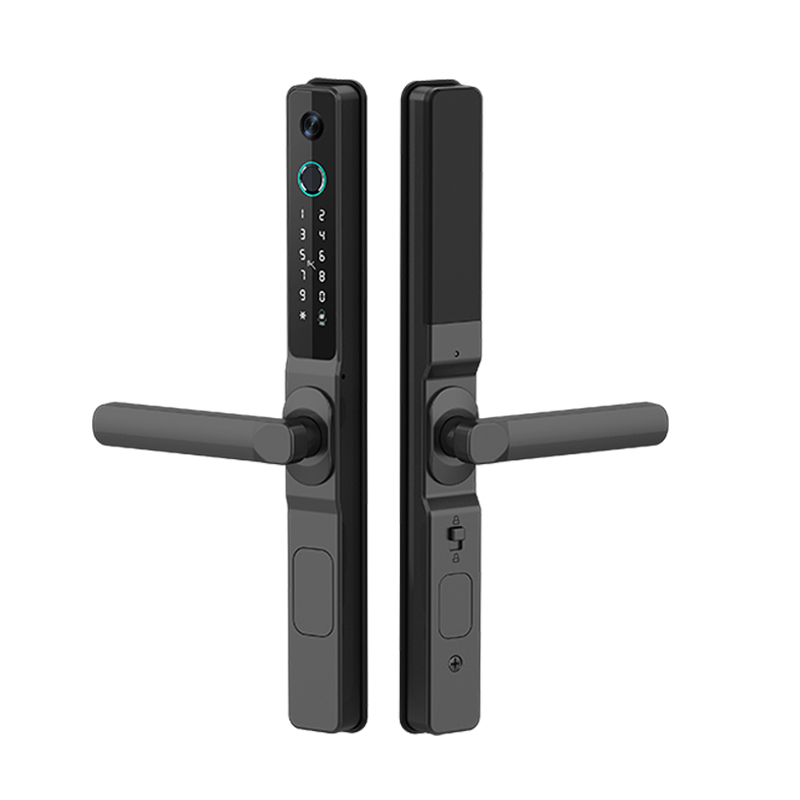
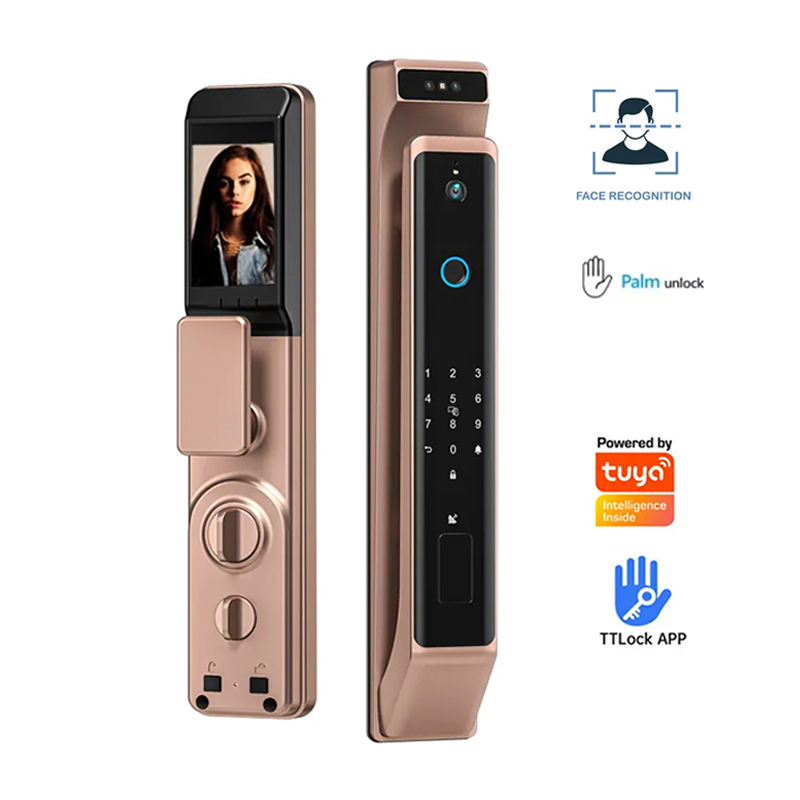
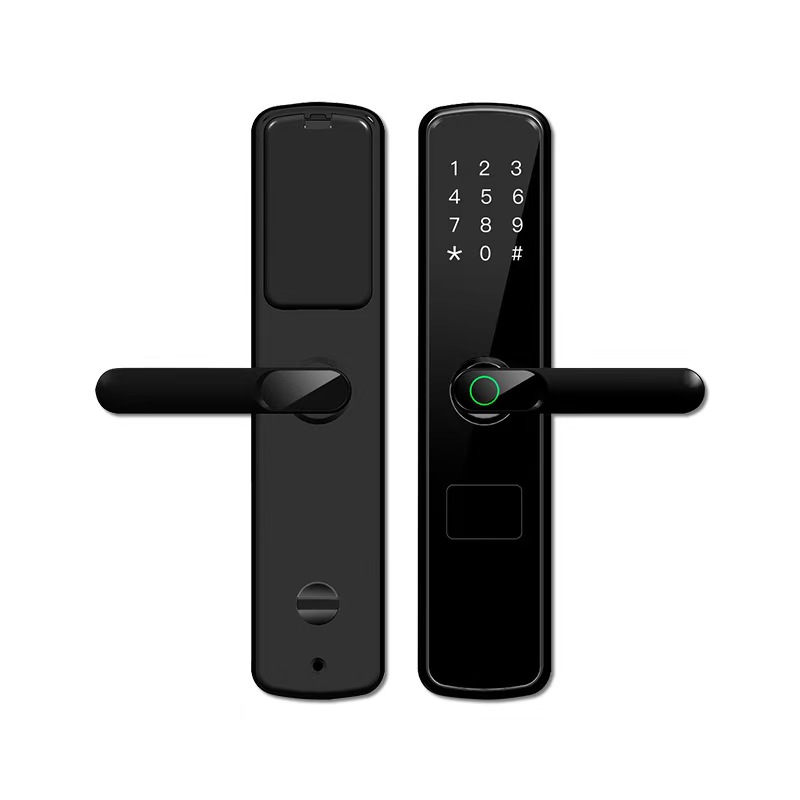
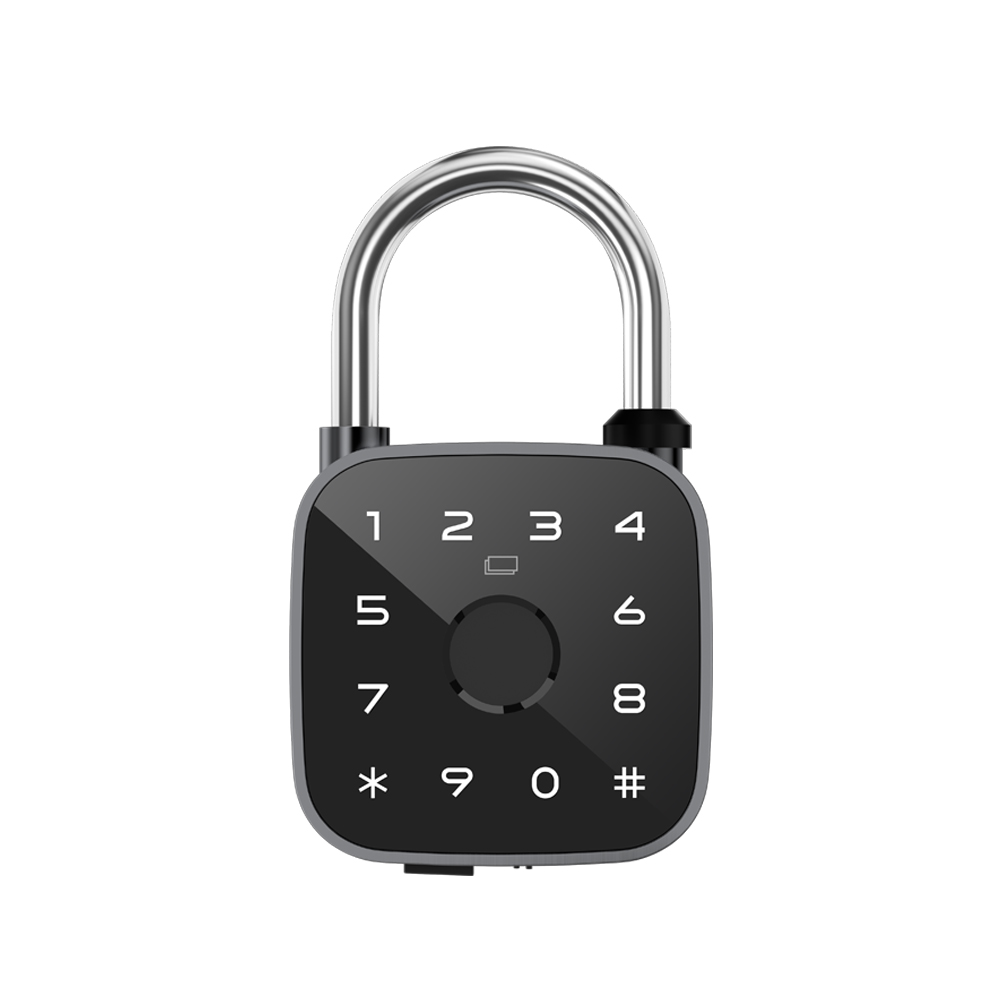
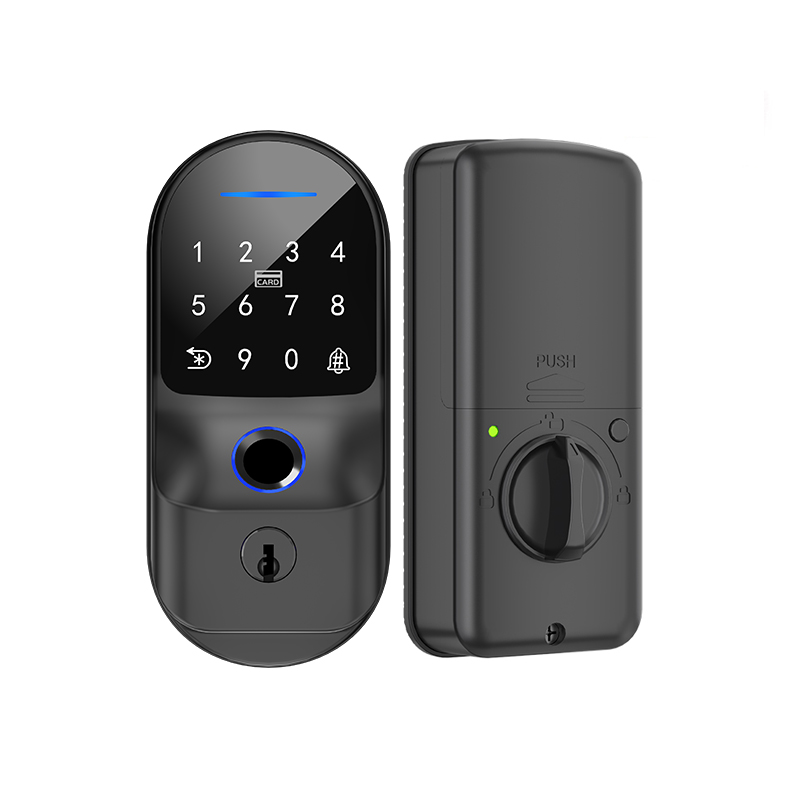
A hotel lock system is an electronic access control solution designed to manage and secure guest rooms, staff areas, and other access points in a hotel. Unlike a traditional door lock, a complete hotel lock system can combine hotel door locks, RFID key cards, hotel lock management software, card encoders, energy-saving switches, and other access control devices.
For hotels, the purpose of a lock system is not only to protect guest rooms. A well-designed hotel access system can also improve security, operational efficiency, guest convenience, and access management.
But what exactly does a hotel lock system include, and how does each component work together?
What Is a Hotel Lock System?
A hotel lock system is a combination of electronic hotel door locks and management devices that allows hotel staff to issue, manage, and control access to guest rooms.
Most traditional hotel card lock systems use RFID cards as electronic keys. When a guest checks in, the front desk creates an authorized room card using hotel lock management software and a card encoder. The guest can then use the card to unlock the assigned room during the authorized period.
Modern hotel lock systems can also support additional technologies, including:
- RFID card unlocking
- Bluetooth mobile unlocking
- Mobile app access
- PIN code access
- Mechanical key override
- Remote access management
- Hotel PMS integration
- Smart energy-saving switches
The exact configuration depends on the hotel’s size, budget, security requirements, and operational needs.
What Does a Hotel Lock System Include?
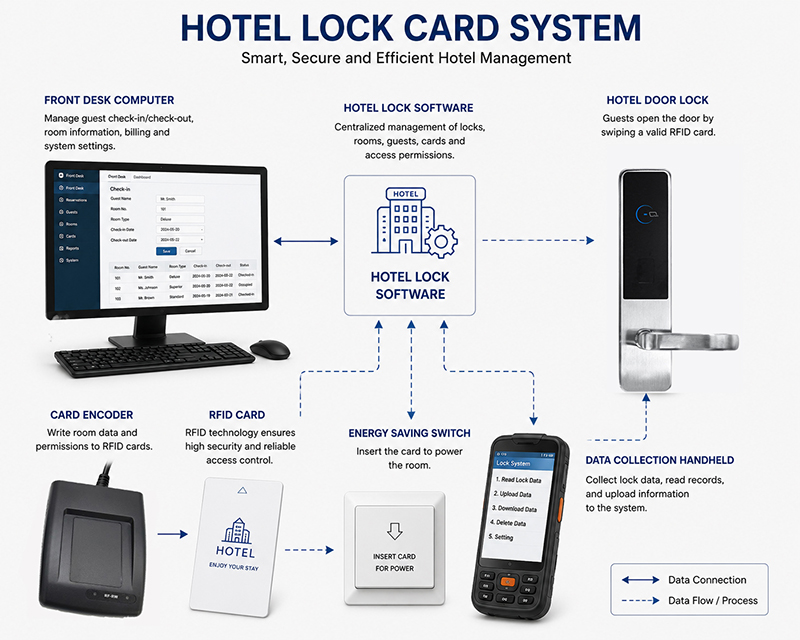
A complete hotel door lock system usually includes several core components. Each component has a specific function, and together they create an integrated hotel access management solution.
1. Hotel Door Locks
The hotel door lock is the most important physical component of the system.
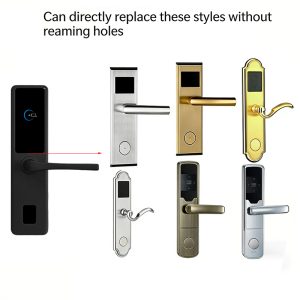
Hotel electronic locks are installed on guest room doors and provide controlled access through an electronic credential such as an RFID card or smartphone.
Common hotel lock types include:
- RFID hotel card locks
- MIFARE hotel door locks
- Bluetooth hotel locks
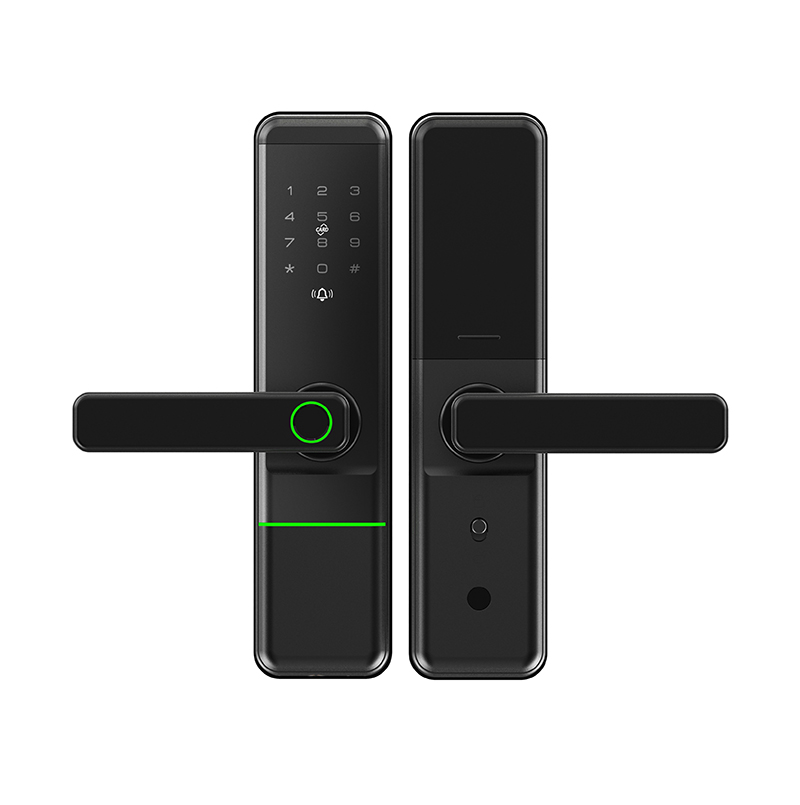
- Smart hotel door locks
- Electronic hotel door locks
- Hotel mortise locks
- Split hotel card locks
For traditional hotel projects, RFID card locks remain a practical solution because they are relatively simple to operate and manage.
When selecting hotel door locks, hotels should consider factors such as:
- Door compatibility
- Lock material and durability
- Mortise type
- Power supply
- Battery life
- Unlocking methods
- Emergency unlocking
- Security requirements
- Hotel design and appearance
For hotel owners and project contractors, compatibility between the lock and the existing door is especially important.
2. Hotel Lock Management Software
The hotel lock management software is the control center of a traditional hotel card lock system.
It allows authorized hotel staff to create and manage guest access credentials.
Depending on the system, the software may provide functions such as:
- Guest room management
- Card issuing
- Check-in and check-out management
- Guest access authorization
- Staff card management
- Access time settings
- Lost card cancellation
- Door record management
- Operator management
- System configuration
For example, when a guest checks into Room 208, the front desk employee can use the software to create a card that is authorized for Room 208 during the guest’s stay.
When the guest checks out, the card can be canceled or its authorization can expire.
This makes the system much easier to manage than traditional mechanical keys.
3. RFID Hotel Key Cards
RFID cards are commonly used as electronic keys in hotel card lock systems.
A guest typically receives an RFID card at check-in. The card contains access information that allows the guest to open the assigned room.
Depending on the hotel lock system, different RFID technologies may be supported.
A well-designed system should also allow hotel staff to issue different types of cards, such as:
- Guest cards
- Master cards
- Staff cards
- Emergency cards
- Floor cards
- Building management cards
Different permissions can be assigned according to the user’s role.
This is particularly useful for larger hotels where housekeeping, maintenance, management, and guests require different levels of access.
4. RFID Card Encoder
A hotel card encoder, also called an RFID card encoder or card writer, is used to write access information to RFID cards.
It is normally connected to the hotel front desk computer and hotel lock management software.
The basic process is:
Guest Check-In → Software Creates Access → Card Encoder Writes Card → Guest Uses Card → Hotel Lock Verifies Card
The encoder therefore acts as the connection between the hotel management software and the physical key card.
For hotels with multiple rooms, a reliable card encoder can make the check-in process faster and more efficient.
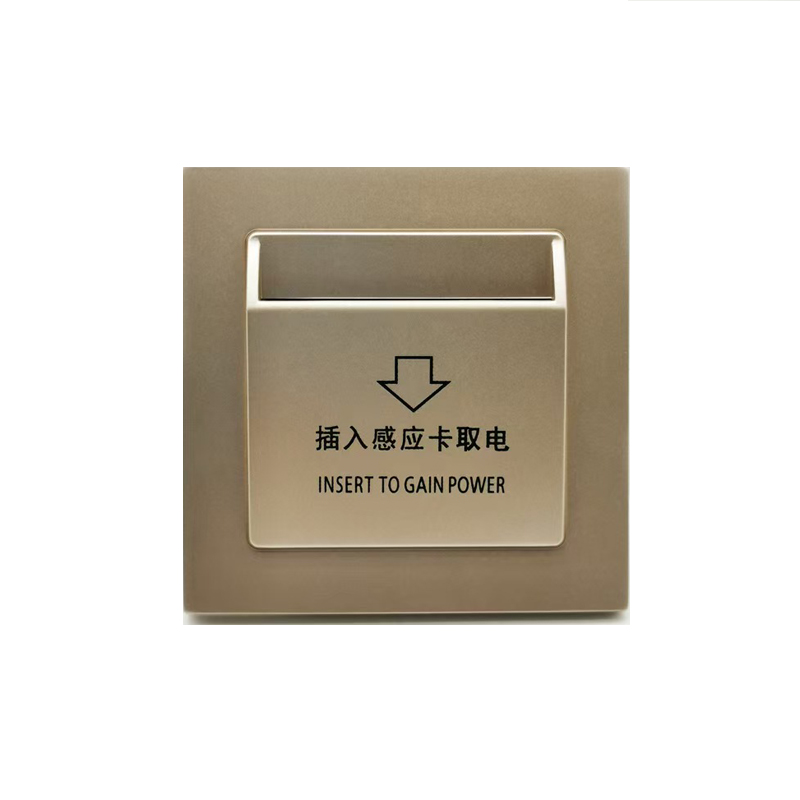
5. Energy-Saving Switch
An energy-saving switch is another common component of a hotel room management system.
It is normally installed inside the guest room near the entrance.
When the guest inserts an authorized card into the energy-saving switch, selected electrical equipment can be activated. When the guest removes the card, non-essential electrical equipment can be switched off after a short delay.
Depending on the hotel design, the system can help manage:
- Room lighting
- Air conditioning
- TV power
- Other electrical equipment
The energy-saving switch is not part of the door lock itself, but it can be integrated into a broader hotel room management solution.
6. Hotel Front Desk Computer
The hotel front desk computer provides the hardware platform for operating the hotel lock management software.
Front desk staff can use the computer to:
- Register guests.
- Assign rooms.
- Create access cards.
- Change access permissions.
- Cancel lost cards.
- Manage staff credentials.
- Check system information.
For larger hotel projects, the lock system may also need to communicate with the hotel’s Property Management System (PMS).
PMS integration can help reduce repetitive work and improve the overall check-in process.
7. Emergency and Mechanical Key
Although electronic access is the primary unlocking method, many hotel door locks also provide an emergency or mechanical key option.
This provides an additional access method when the electronic system cannot be used, such as during:
- Battery depletion
- Electronic system failure
- Emergency situations
- Maintenance
- Authorized management access
The emergency unlocking method should be controlled carefully because it provides a higher level of access.
How Does a Hotel Card Lock System Work?
A typical RFID hotel lock system follows a relatively simple process.
Step 1: Guest Checks In
The front desk registers the guest and assigns a room.
Step 2: Access Is Created
The hotel lock management software creates an access credential based on the room number and authorized time period.
Step 3: The Card Is Encoded
The RFID card encoder writes the access information to the guest card.
Step 4: Guest Unlocks the Door
The guest presents the card to the hotel door lock.
Step 5: The Lock Verifies the Credential
The lock checks whether the card is valid and whether it has permission to access that room.
Step 6: The Door Opens
If the credential is valid, the electronic lock releases the mechanism and allows access.
This process allows hotels to control room access without issuing traditional metal keys to every guest.
What Are the Benefits of a Hotel Lock System?
A properly designed hotel lock system can provide several advantages for hotels.
Improved Security
Electronic access credentials can be controlled according to room, user, and time period.
If a guest loses a card, hotel staff can issue a replacement and disable the previous credential.
Better Guest Convenience
Guests can use a simple card or smartphone instead of carrying a traditional metal key.
Modern systems can also support Bluetooth or mobile app unlocking for hotels that want to provide a more digital guest experience.
Easier Hotel Management
Hotel staff can manage guest cards, staff permissions, and access credentials from a centralized system.
This is particularly valuable for hotels with many rooms.
Reduced Key Management Problems
Traditional keys can be copied, lost, or difficult to track.
Electronic credentials provide hotels with greater flexibility when changing access permissions.
Energy Management
When combined with hotel energy-saving switches, the system can help reduce unnecessary electricity consumption in guest rooms.
What Is the Difference Between a Hotel Lock and a Hotel Lock System?
A hotel lock refers primarily to the physical electronic lock installed on a door.
A hotel lock system refers to the complete solution used to manage hotel access.
For example:
Hotel Lock = Door Hardware
Hotel Lock System = Door Locks + RFID Cards + Card Encoder + Management Software + Access Management
For a small hotel, a basic RFID hotel lock solution may be sufficient.
For a larger hotel, the system may include additional components such as PMS integration, Bluetooth access, mobile apps, elevators, common-area access, and energy management.
How Do You Choose the Right Hotel Lock System?
Choosing a hotel lock system should begin with the hotel’s actual requirements rather than simply selecting the most advanced product.
Consider the Hotel Size
A small hotel, guesthouse, or motel may only need a basic RFID card lock system.
A large hotel or hotel chain may require centralized software, multiple access levels, mobile access, and PMS integration.
Consider the Door Type
Before purchasing hotel locks, confirm:
- Door thickness
- Door material
- Door opening direction
- Mortise dimensions
- Existing lock structure
- Installation requirements
Incorrect door compatibility can create unnecessary installation costs.
Consider the Unlocking Method
RFID cards are still widely used because they are easy for hotel guests and staff to understand.
However, hotels may also consider:
- Bluetooth
- Mobile app
- PIN code
- Fingerprint
- Mechanical key
- Multiple unlocking methods
The right choice depends on the hotel’s target market and operating model.
Consider Software Compatibility
For larger hotel projects, it is important to determine whether the lock management software can work with the hotel’s existing PMS or other management systems.
Good software integration can improve efficiency and reduce manual operations.
Consider After-Sales Support
A hotel lock system is a long-term investment.
Before purchasing, hotel owners and project contractors should evaluate:
- Product warranty
- Technical support
- Installation guidance
- Software updates
- Spare parts availability
- Training
- Remote support
Reliable after-sales service can be particularly important for overseas hotel projects.
Is an RFID Hotel Lock System Still Suitable for Modern Hotels?
Yes. RFID hotel locks remain a practical solution for many hotels, especially budget hotels, economy hotels, independent hotels, and projects that require a reliable and cost-effective access control system.
RFID systems are easy for hotel staff to understand and can provide a straightforward guest experience.
At the same time, hotels that want a more advanced digital experience can choose hybrid systems that combine RFID cards with Bluetooth or mobile app access.
This allows hotels to maintain traditional card access while gradually introducing mobile technology.
Hotel Lock System vs. Smart Hotel Lock System
The terms “hotel lock system” and “smart hotel lock system” are sometimes used interchangeably, but they can describe different levels of technology.
A traditional hotel card lock system generally focuses on RFID access and centralized card management.
A smart hotel lock system may add:
- Bluetooth connectivity
- Mobile app unlocking
- Remote management
- Cloud-based access
- Digital keys
- PMS integration
- Real-time access management
For hotels with limited budgets, a traditional RFID system can offer an excellent balance between cost and functionality.
For new hotel projects focused on digital transformation, a Bluetooth or smart hotel lock system may provide more flexibility.
Frequently Asked Questions About Hotel Lock Systems
What is included in a hotel lock system?
A typical hotel lock system includes hotel electronic door locks, RFID key cards, hotel lock management software, an RFID card encoder, and related access management devices. Depending on the project, it may also include energy-saving switches, Bluetooth access, mobile apps, PMS integration, and emergency unlocking solutions.
How does a hotel card lock work?
A hotel card lock reads an RFID card and checks whether the card has valid authorization for the specific room. If the card is valid and within the authorized period, the electronic lock releases the door.
Do hotel locks need software?
Traditional RFID hotel lock systems generally require management software to create and manage guest and staff access cards. Some newer smart locks use cloud platforms or mobile applications instead.
Can hotel locks support both cards and mobile phones?
Yes. Some modern hotel lock systems support both RFID cards and Bluetooth/mobile app unlocking, allowing hotels to offer multiple access options.
What is the best hotel lock system for a small hotel?
For many small and economy hotels, an RFID hotel card lock system can be a practical choice because it is relatively easy to install, operate, and manage while keeping the overall project cost under control.
Can a hotel lock system be integrated with PMS software?
Some hotel lock systems can integrate with a Property Management System (PMS). This depends on the software architecture, API, and compatibility of the lock system.
Conclusion
A hotel lock system is much more than a hotel door lock. It is a complete access management solution that can include electronic door locks, RFID cards, card encoders, management software, energy-saving switches, and other hotel access control devices.
For traditional hotel projects, an RFID card lock system can provide a reliable and cost-effective solution. For hotels looking to improve digital services, Bluetooth, mobile app access, and PMS integration can further expand the capabilities of the system.
When choosing a hotel lock system, hotel owners, contractors, wholesalers, and hotel group purchasing teams should consider security, door compatibility, unlocking methods, software functionality, scalability, installation, and after-sales support.
The best hotel lock system is not necessarily the one with the most features. It is the system that provides the right combination of security, reliability, convenience, management efficiency, and cost-effectiveness for the hotel’s specific requirements.