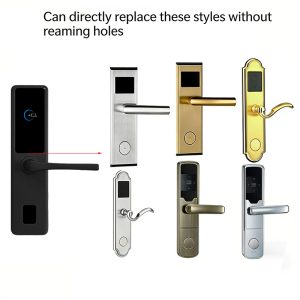
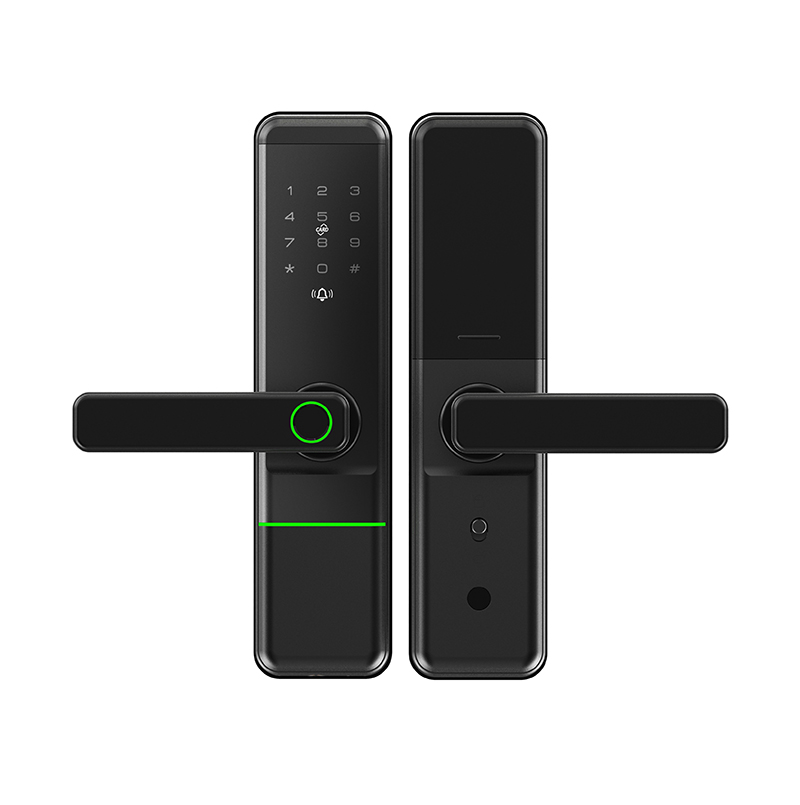
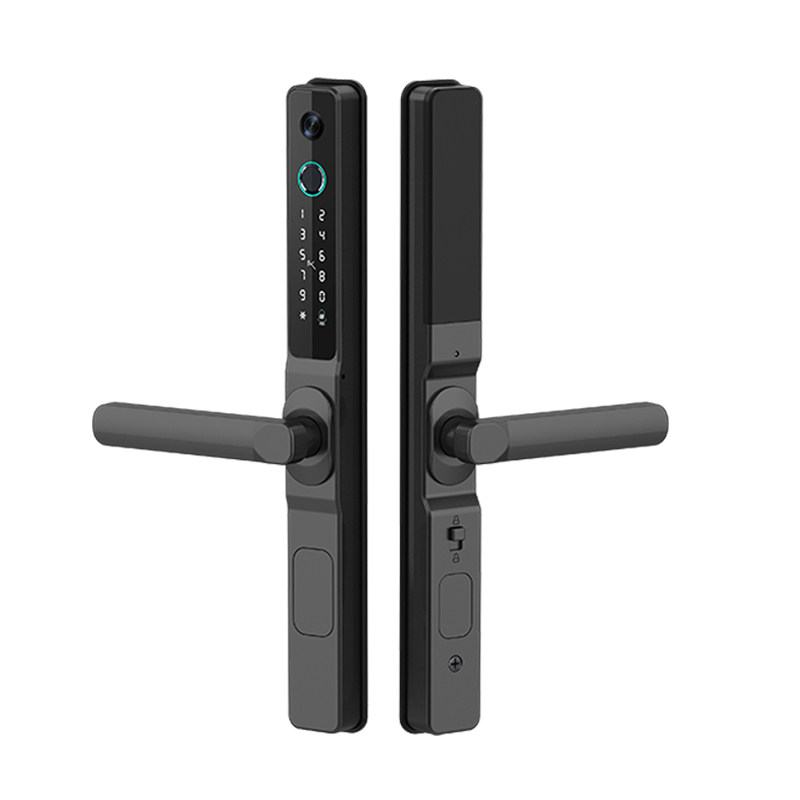
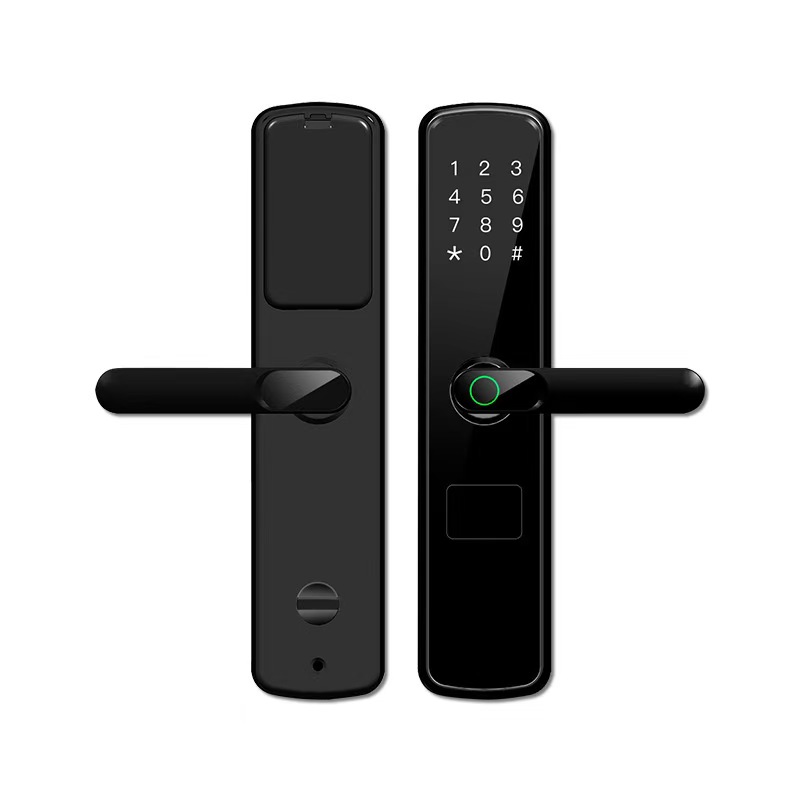
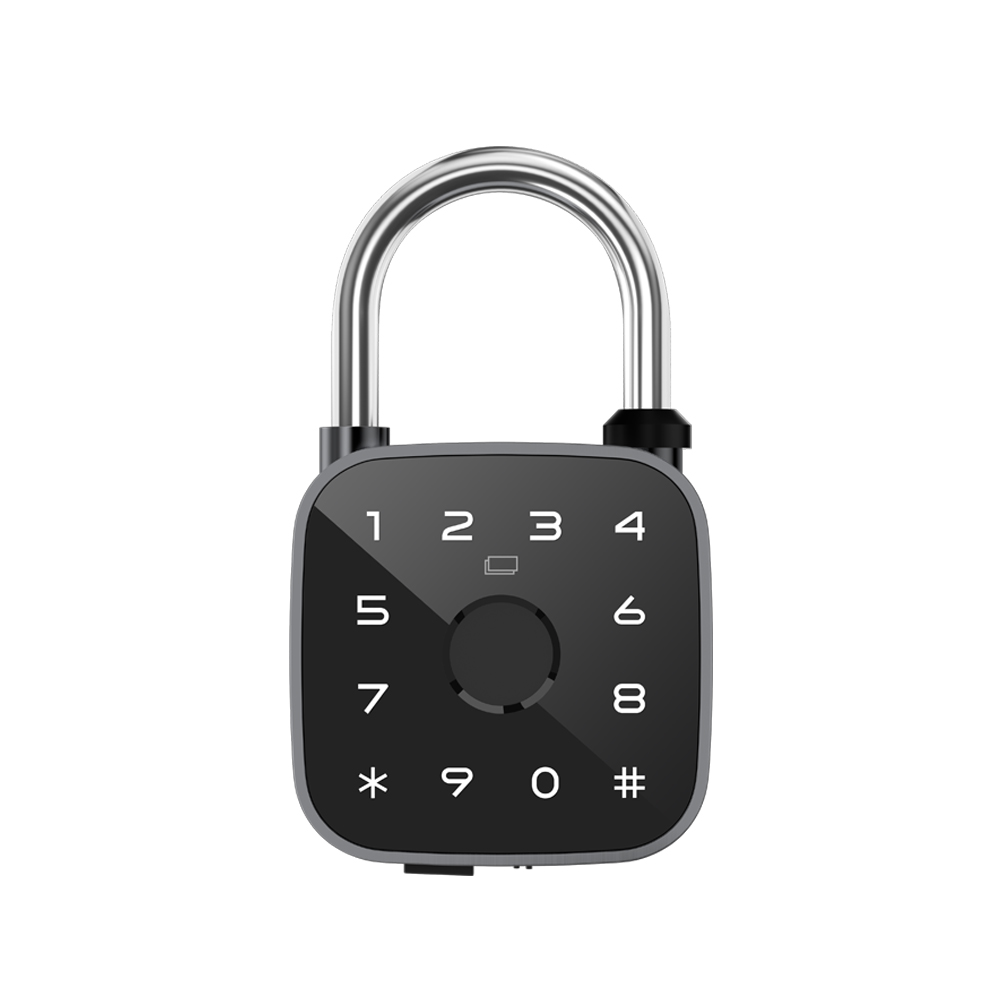
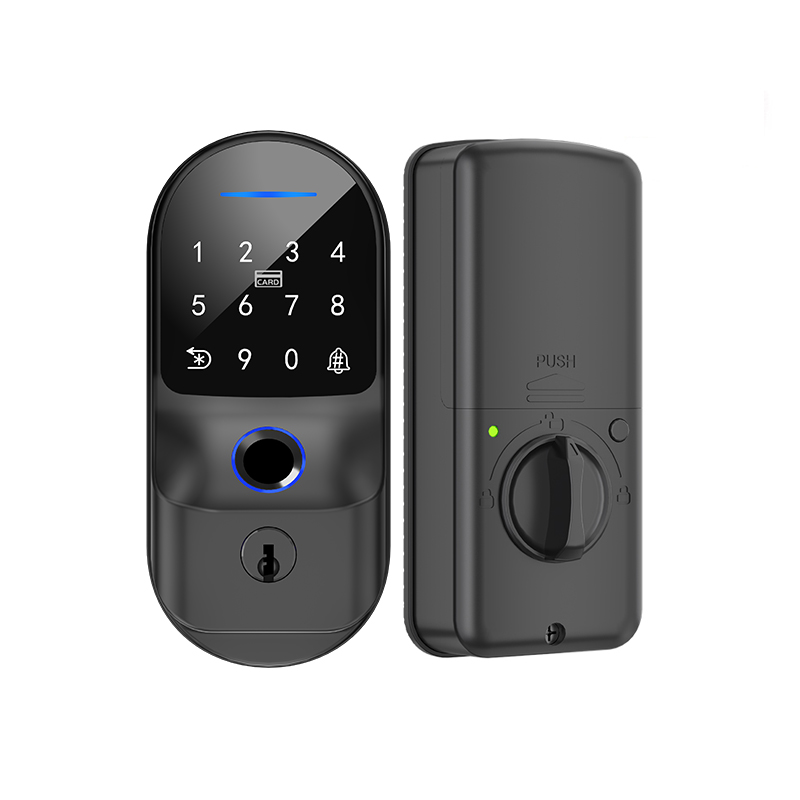
When purchasing hotel door locks, material is one of the most important factors to consider.
Hotel owners, contractors, distributors, and project buyers often compare different hotel lock materials based on price, durability, appearance, corrosion resistance, weight, and long-term value. However, there is no single material that is best for every hotel project.
Common materials used for hotel door locks include iron, aluminum alloy, standard stainless steel, 304 stainless steel, and zinc alloy. Each material has its own advantages and is suitable for different project requirements.
For example, iron hotel locks can offer the lowest initial cost, while aluminum alloy hotel locks are known for their lightweight construction, competitive pricing, and variety of designs. Standard stainless steel is widely used because of its durability and practical cost, while 304 stainless steel provides an upgraded material option for projects that place greater emphasis on corrosion resistance and overall quality. Zinc alloy is less common in hotel locks but can be attractive for projects that prioritize distinctive shapes and decorative designs.
So, which hotel door lock material is right for your project?
The answer depends on your hotel’s positioning, budget, environment, door requirements, design preferences, and expected service life.
1. What Materials Are Commonly Used for Hotel Door Locks?
Before choosing a hotel lock, it is helpful to understand the basic differences between the main materials used in the market.
The most common hotel door lock materials include:
- Iron
- Aluminum Alloy
- Standard Stainless Steel
- 304 Stainless Steel
- Zinc Alloy
These materials can be used for different parts of a hotel lock, including lock panels, handles, escutcheons, and other external components. The internal lock body and electronic components may use different materials depending on the manufacturer and lock design.
In general, the market can be viewed as several different price and performance levels.
Iron is generally positioned as the lowest-cost option.
Aluminum alloy offers low weight, competitive pricing, and many design possibilities.
Standard stainless steel provides a practical combination of durability and cost and is widely used in hotel hardware.
304 stainless steel represents an upgraded stainless steel option with good corrosion resistance and a more premium material feel.
Zinc alloy is usually more expensive than the common options and is often selected for its flexibility in styling and decorative appearance.
The right choice is therefore not simply about choosing the “best” material. It is about choosing the right material for the project.
2. Iron Hotel Locks: The Lowest-Cost Option
Iron is one of the most economical materials that can be used for hotel door locks.
For projects where the initial hardware budget is the primary concern, iron hotel locks can provide a cost-effective solution.
Advantages of Iron Hotel Locks
The main advantage of iron is its relatively low material cost.
Iron can also provide good mechanical strength and a solid feel when properly manufactured and finished.
This can make iron hotel locks suitable for:
- Economy hotels
- Budget accommodation
- Large-volume projects
- Price-sensitive renovation projects
- Projects where initial hardware cost is the highest priority
For large projects involving hundreds or thousands of doors, even a small difference in unit price can have a significant impact on the total investment.
What Should Buyers Consider?
The main consideration with iron is corrosion protection.
Unlike stainless steel, untreated iron can be more susceptible to corrosion when exposed to moisture and humidity. Therefore, surface treatment and coating quality are particularly important.
For indoor hotel rooms in suitable environments, iron can be considered when minimizing the initial cost is the main objective.
However, for humid, coastal, or more demanding environments, buyers should carefully evaluate the surface treatment and expected service life before selecting iron hotel locks.
Best for: Projects where the lowest possible initial hardware cost is the primary consideration.
3. Aluminum Alloy Hotel Locks: Affordable, Lightweight and Design-Friendly
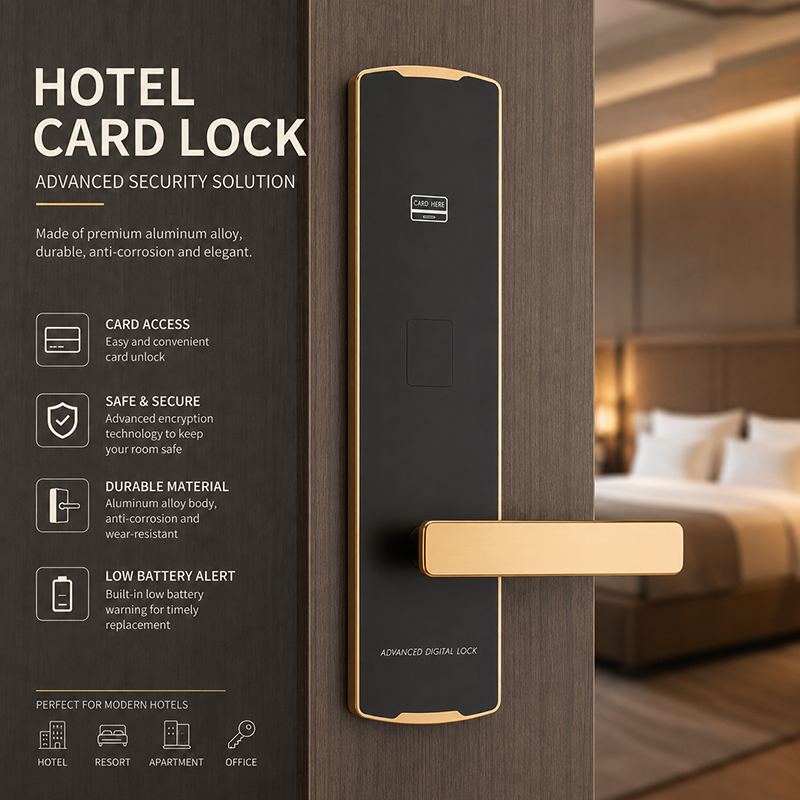
Aluminum alloy is another popular material for hotel door locks.
One of its biggest advantages is that it can provide a combination of competitive pricing, lightweight construction, and flexible design options.
For many hotel projects, aluminum alloy can be an excellent choice when the buyer wants an attractive lock without significantly increasing the hardware budget.
Why Choose Aluminum Alloy Hotel Locks?
Aluminum alloy is relatively lightweight compared with many other metal materials.
This can be useful during transportation, installation, and handling.
Another major advantage is design flexibility.
Aluminum alloy hotel locks can be manufactured in a wide range of shapes, finishes, and styles. This allows manufacturers to create modern and attractive designs for different hotel interiors.
For B2B hotel projects, this combination of reasonable cost + attractive appearance + lightweight construction makes aluminum alloy particularly interesting.
Typical Applications
Aluminum alloy hotel locks can be suitable for:
- Budget hotels
- Business hotels
- Boutique hotels
- Serviced apartments
- Hotel renovation projects
- Large-volume hospitality projects
- Cost-sensitive hotel developments
For hotel owners who want a modern-looking door lock but need to control the project budget, aluminum alloy can provide a very good balance.
Aluminum Alloy vs. Stainless Steel
Compared with stainless steel, aluminum alloy is generally lighter and can offer more flexibility in design and finishing.
Stainless steel, on the other hand, generally provides a stronger and more solid material feel and can offer better resistance to certain forms of corrosion.
Therefore, aluminum alloy is not necessarily “better” or “worse” than stainless steel.
It is a different solution for a different project requirement.
Best for: Hotels looking for attractive designs, lower weight, competitive pricing, and good overall value.
4. Standard Stainless Steel Hotel Locks: A Practical Mainstream Choice
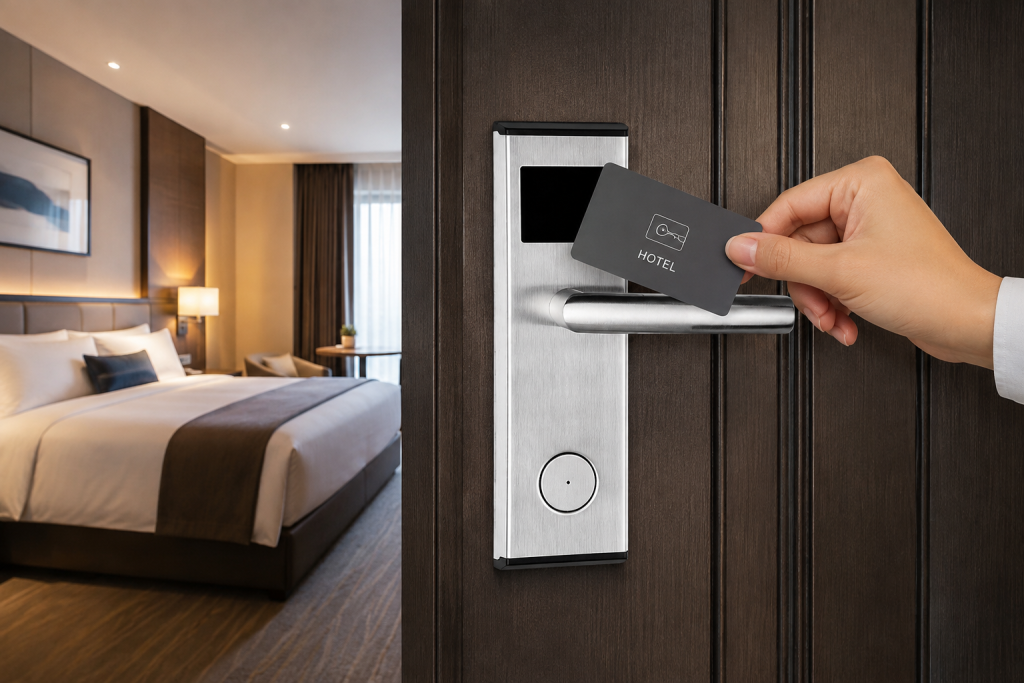
Stainless steel is one of the most widely used materials in hotel door hardware.
For hotel owners and contractors who want a practical balance between durability, appearance, and cost, standard stainless steel hotel locks can be an excellent choice.
Stainless steel has a professional appearance and is generally well suited to commercial environments.
It is also available in different finishes and designs, making it easy to integrate with a wide range of hotel interiors.
Why Is Stainless Steel So Popular?
Hotels are high-traffic environments.
Guest room locks may be operated many times every day by guests, housekeeping staff, maintenance teams, and hotel management.
As a result, durability is an important consideration.
Stainless steel provides a solid construction and good resistance to everyday wear, making it suitable for many commercial hotel applications.
It can also provide good corrosion resistance compared with conventional iron products, depending on the specific stainless steel grade and environment.
Typical Applications
Standard stainless steel hotel locks can be used in:
- Business hotels
- Budget and mid-range hotels
- Resorts
- Boutique hotels
- Chain hotels
- Serviced apartments
- Hotel renovation projects
- Hospitality projects
For many projects, standard stainless steel provides a good middle ground between low-cost materials and higher-specification products.
Best for: General hotel projects that need a reliable balance between cost, durability, and professional appearance.
5. 304 Stainless Steel Hotel Locks: An Upgraded Material Choice
Within the stainless steel category, 304 stainless steel is a popular option for buyers who want an upgraded material specification.
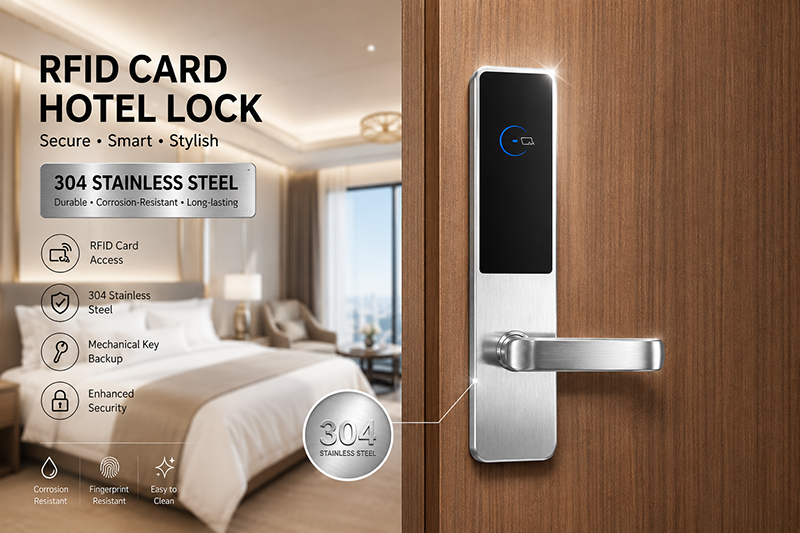
304 stainless steel is widely used in commercial and hospitality hardware because of its good corrosion resistance, strength, and professional appearance.
For hotel projects, it can provide a stronger material positioning than basic or standard stainless steel products.
Why Choose 304 Stainless Steel?
One of the main advantages of 304 stainless steel is its corrosion resistance.
This can be particularly valuable in environments where hotel hardware may be exposed to humidity, cleaning, or other conditions that can affect conventional metal materials.
304 stainless steel also has a solid and premium feel, which can complement hotels that pay greater attention to room details and hardware quality.
Is 304 Stainless Steel Suitable for Every Hotel?
Not necessarily.
If the hotel is highly budget-sensitive, an aluminum alloy or standard stainless steel hotel lock may provide sufficient performance at a lower cost.
For a project where material quality, appearance, durability, and long-term value are more important, 304 stainless steel can justify the additional investment.
For particularly aggressive marine or coastal environments, buyers should also evaluate whether a higher corrosion-resistant grade such as 316 stainless steel is more appropriate.
Best for: Hotels and hospitality projects that prioritize upgraded material quality, durability, appearance, and long-term value.
6. Zinc Alloy Hotel Locks: More Design-Oriented and Less Common
Zinc alloy is another material found in electronic and smart door hardware.
Compared with aluminum alloy and common stainless steel hotel locks, zinc alloy hotel locks are generally less common in the mainstream hotel market and can have a higher material and manufacturing cost.
However, zinc alloy has an important advantage: design flexibility.
The material can be cast into different shapes, which allows manufacturers to create distinctive handles, panels, and decorative forms.
This makes zinc alloy interesting for projects where the appearance of the door hardware is an important part of the interior design.
Where Can Zinc Alloy Hotel Locks Be Used?
Zinc alloy can be considered for:
- Boutique hotels
- Design hotels
- Luxury-oriented projects
- Hotels with customized interiors
- Projects requiring distinctive hardware designs
For these projects, the additional cost may be justified by the design and visual effect.
However, if the main objective is to control the total hardware budget, aluminum alloy or stainless steel may provide better value.
Best for: Projects where distinctive design and decorative appearance are more important than minimizing hardware cost.
7. Hotel Lock Material Comparison: Which One Is Right for You?
The following table provides a simple overview of the main differences.
| Material | Cost Level | Weight | Durability | Design Options | Typical Application |
|---|---|---|---|---|---|
| Iron | Lowest | Heavy | Good with proper protection | Medium | Economy and budget projects |
| Aluminum Alloy | Low | Lightweight | Good | High | Budget, business, renovation projects |
| Standard Stainless Steel | Medium | Medium | Very Good | Medium | General hotel projects |
| 304 Stainless Steel | Medium–High | Medium | Very Good | Medium | Quality-focused hotels |
| Zinc Alloy | Higher | Medium–Heavy | Good | Very High | Boutique and design-oriented projects |
This comparison shows why there is no universal answer to the question of which hotel lock material is best.
The best choice depends on what the hotel values most.
If price is the priority, iron or aluminum alloy may be attractive.
If the hotel wants a balance between price and durability, standard stainless steel can be a practical choice.
If the project wants upgraded material quality and a more premium feel, 304 stainless steel is worth considering.
If design flexibility is the primary concern, zinc alloy may provide additional possibilities.
8. How Does Hotel Positioning Affect Material Selection?
The hotel’s market positioning is one of the easiest ways to narrow down the right material.
Budget Hotels
Budget hotels normally focus heavily on controlling construction and renovation costs.
For these projects, iron or aluminum alloy hotel locks may be appropriate depending on the required durability and design.
Aluminum alloy can be particularly attractive when the hotel wants a modern appearance while keeping the hardware cost under control.
Business Hotels
Business hotels often need a balance between price, appearance, durability, and guest experience.
Aluminum alloy and stainless steel hotel locks can both be suitable depending on the project specification.
Boutique Hotels
Boutique hotels usually place greater emphasis on interior design.
The lock is part of the overall room aesthetic, so aluminum alloy, stainless steel, 304 stainless steel, or selected zinc alloy designs can all be considered.
Resorts
Resorts may need to pay greater attention to humidity and environmental conditions.
Stainless steel, particularly an appropriate stainless steel grade, can be attractive for these applications.
The specific environment should always be evaluated before final material selection.
Premium and Quality-Focused Hotels
Hotels that place greater emphasis on hardware quality and room details may prefer 304 stainless steel hotel locks or design-oriented zinc alloy solutions.
The choice should still be based on the actual project requirements rather than hotel classification alone.
9. How Does the Hotel Project Budget Affect the Choice?
Material is directly connected to the total project budget.
Imagine a hotel has 300 guest rooms.
If the difference between two lock options is $10 per room, the difference in hardware investment can reach approximately $3,000.
For a 1,000-room project, the same $10 difference becomes $10,000.
This is why hotel buyers need to evaluate both unit price and overall project value.
However, saving money on the initial purchase does not always mean reducing the total cost.
A lock that is difficult to install, requires frequent maintenance, or has a short service life may increase the hotel’s long-term expenses.
The best approach is therefore to compare:
Purchase Cost + Installation Cost + Maintenance Cost + Replacement Cost
rather than looking only at the unit price.
10. Don’t Forget the Lock Body and Door Compatibility
Material is important, but it is not the only factor when selecting a hotel door lock.
The lock body and door compatibility are equally important.
Before placing a bulk order, hotel contractors and project buyers should confirm:
- Door thickness
- Lock body type
- Mortise dimensions
- Backset
- Door preparation
- Existing holes
- Door material
- Door opening direction
- Handle configuration
- Emergency unlocking requirements
This is particularly important for hotel renovation projects.
If the new hotel lock can work with the existing door preparation, the project may avoid unnecessary door modifications.
A slightly more expensive lock that fits the existing door properly may therefore be more cost-effective than a cheaper lock that requires extensive modifications.
11. Access Technology Should Match the Hotel’s Needs
Hotel lock material is only one part of the purchasing decision.
The access technology should also match the hotel’s operating requirements.
Common hotel lock access methods include:
- RFID card
- MIFARE card
- Mechanical key
- Bluetooth APP
- PIN code
- Fingerprint
- Online access control
For many hotels, RFID hotel door locks remain a practical solution because cards are easy to issue and manage.
For hotels that want mobile access, Bluetooth APP functionality can be added depending on the lock model and software solution.
However, hotels should avoid paying for functions they do not actually need.
A simple RFID hotel lock may be the best choice for one property, while another hotel may benefit from RFID plus Bluetooth mobile access.
The goal is to choose the right combination of hardware and access technology, rather than simply choosing the most advanced lock available.
12. How Can Hotels Get Better Value From Their Lock Supplier?
The supplier can have a significant impact on the total project cost.
A reliable hotel door lock manufacturer should be able to offer different materials, designs, lock bodies, access methods, and project configurations.
This allows the buyer to select the right solution instead of being limited to one product type.
For B2B hotel projects, it is useful to ask suppliers about:
- Material options
- Different price levels
- Bulk order pricing
- RFID solutions
- Bluetooth APP options
- Lock body configurations
- OEM and customization
- Spare parts
- Warranty
- Installation support
- Production capacity
- Delivery time
Working with one experienced supplier that can provide multiple hotel lock materials can also simplify procurement.
For example, a hotel group may use aluminum alloy locks for budget properties, standard stainless steel for mainstream hotels, and 304 stainless steel for higher-end projects.
This creates a more flexible purchasing strategy without requiring completely different suppliers for every hotel segment.
13. Which Hotel Lock Material Should You Choose?
There is no single material that is best for every hotel.
Instead, use the following simple decision guide.
Choose Iron If:
- The lowest initial price is the priority
- The project is highly budget-sensitive
- The installation environment is suitable
- Proper surface protection is available
Choose Aluminum Alloy If:
- You want a competitive price
- Lightweight hardware is preferred
- You want more design options
- The hotel needs a modern appearance
- You are working on a large renovation or budget project
Choose Standard Stainless Steel If:
- You want a reliable mainstream material
- Durability is important
- You need a reasonable price
- The hotel requires a professional appearance
Choose 304 Stainless Steel If:
- Material quality is a priority
- You want better corrosion resistance than basic materials
- The hotel wants a more premium hardware feel
- Long-term value is more important than the lowest initial price
Choose Zinc Alloy If:
- Design is a major priority
- You want distinctive shapes
- The hotel has a strong interior design concept
- A higher hardware budget is acceptable
14. Why Offering Multiple Materials Matters for B2B Hotel Projects
Hotel projects are not all the same.
A hotel lock supplier that offers only one material may not be able to meet the requirements of every customer.
For B2B buyers, having access to different material options provides greater flexibility.
Our hotel lock solutions can be selected according to different project requirements, including iron, aluminum alloy, standard stainless steel, 304 stainless steel, and zinc alloy options.
This allows hotel owners, contractors, distributors, and wholesalers to choose the appropriate product according to:
Budget + Design + Durability + Environment + Access Technology
For example, a cost-sensitive hotel renovation project may prioritize aluminum alloy and competitive pricing.
A general hotel project may choose standard stainless steel for its balance of cost and durability.
A quality-focused hospitality project may prefer 304 stainless steel for its upgraded material specification and professional appearance.
A design-oriented boutique hotel may consider zinc alloy when distinctive styling is more important.
This flexible approach helps customers avoid paying for specifications they do not need while still achieving the desired quality and appearance.
Conclusion
Choosing the right hotel door lock material is not simply a question of finding the strongest or most expensive material.
The right choice depends on the hotel’s budget, positioning, environment, design requirements, door configuration, access technology, and expected service life.
Iron can be an economical choice for highly price-sensitive projects.
Aluminum alloy offers an attractive combination of competitive pricing, lightweight construction, and design flexibility.
Standard stainless steel provides a practical balance of durability, appearance, and cost and remains a mainstream choice for many hotels.
304 stainless steel provides an upgraded material option for projects that place greater emphasis on corrosion resistance, quality, and long-term value.
Zinc alloy can be considered when distinctive design and styling are more important than minimizing the initial cost.
Ultimately, the best hotel door lock is not necessarily the most expensive one.
It is the one that provides the right balance of cost, reliability, appearance, functionality, and long-term value for your specific project.
If you are sourcing hotel door locks for a new hotel, hotel renovation project, hospitality development, or distribution business, we can provide different material and access-control options according to your requirements.
Contact us to discuss your hotel lock material, lock body, access method, quantity, design, and target budget, and find the right hotel door lock solution for your project.