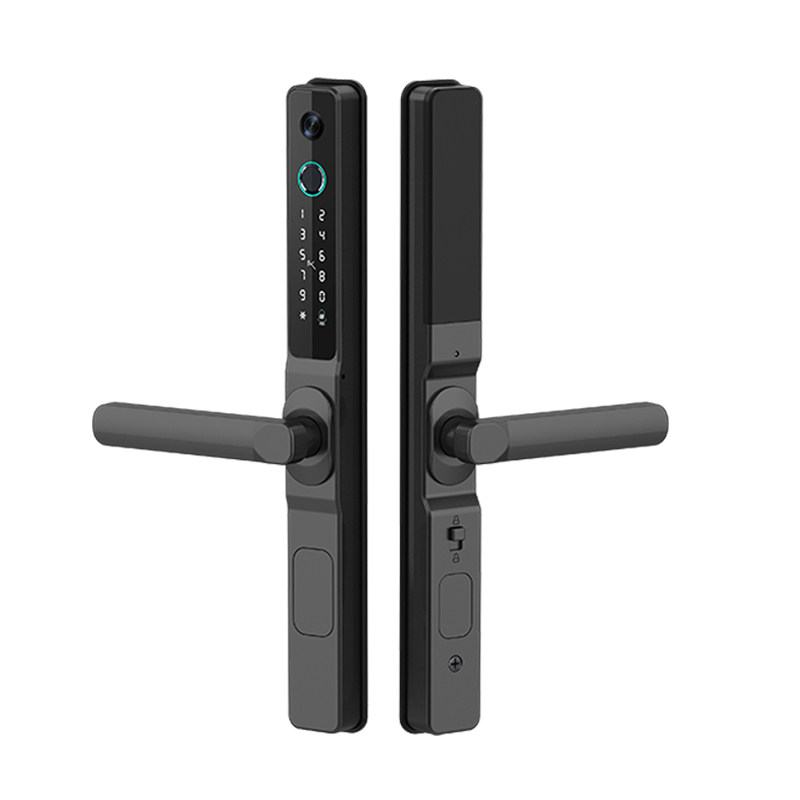
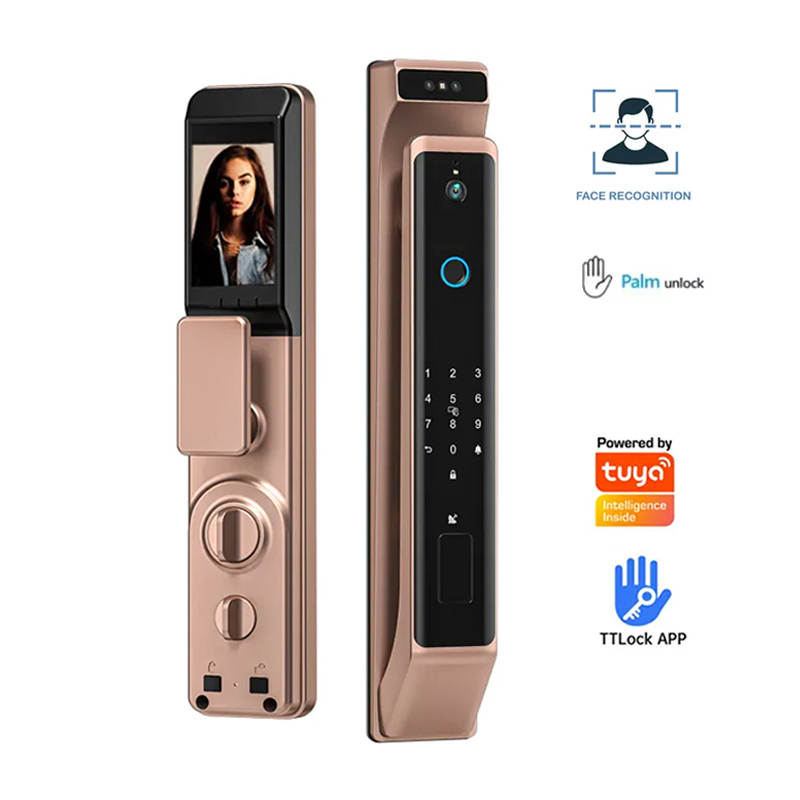
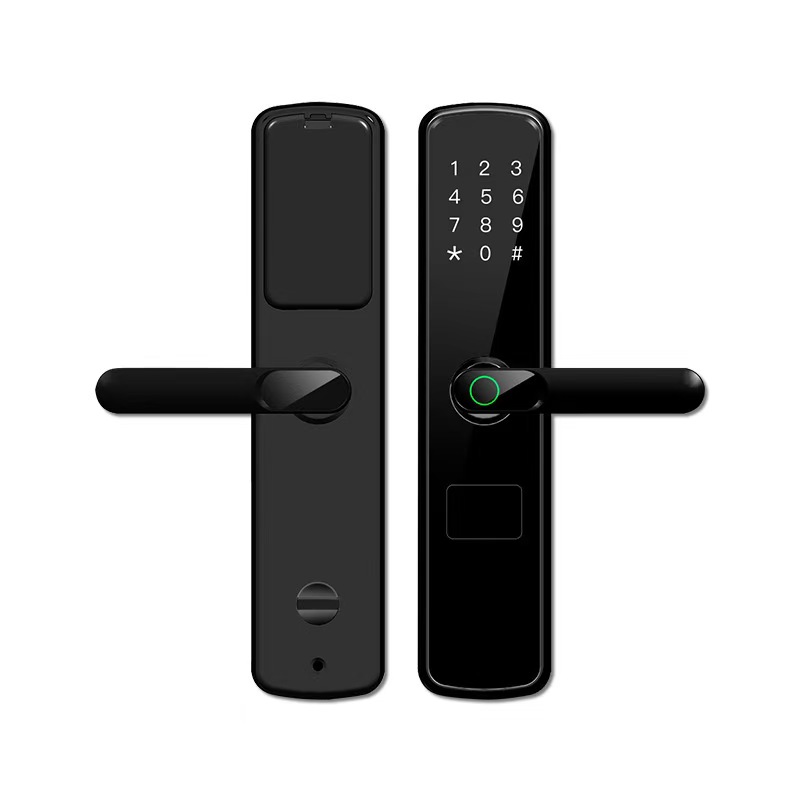
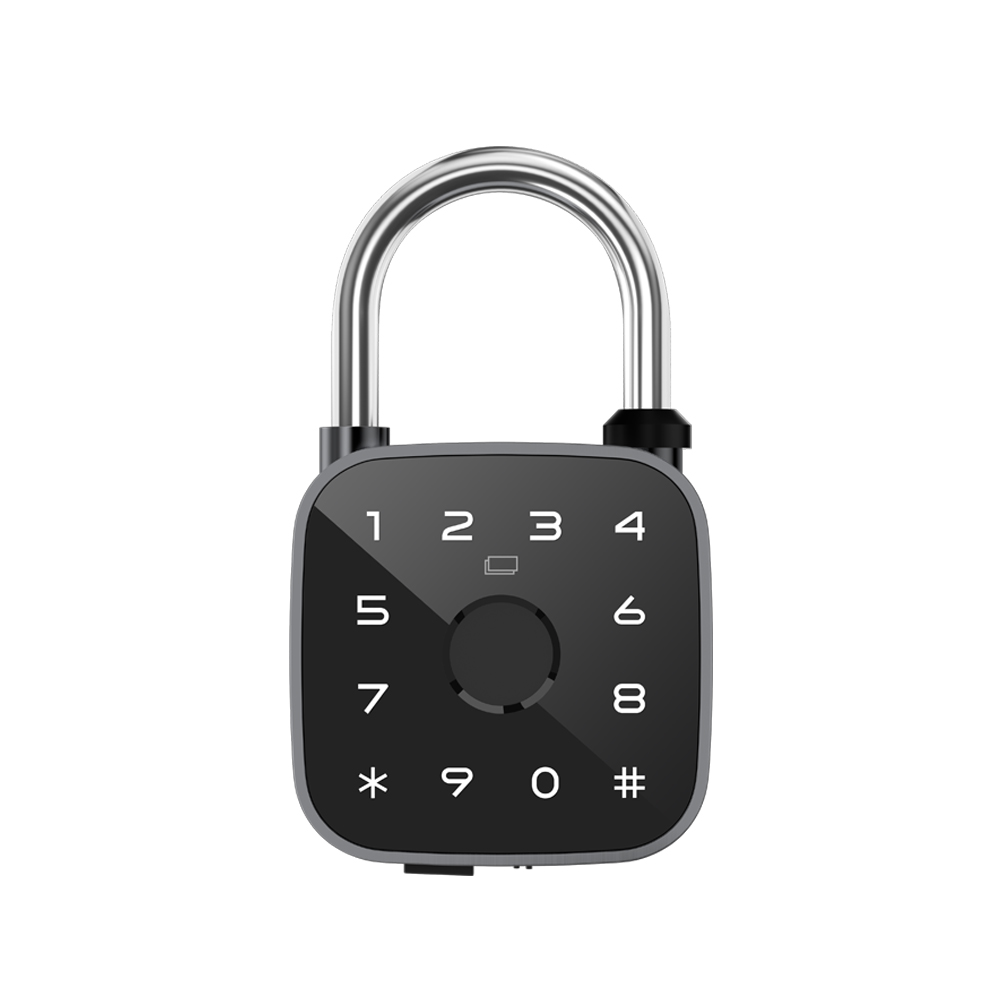
Choosing a cost-effective hotel door lock is an important decision for hotel engineering contractors, hotel lock wholesalers, and smart lock distributors. The right product should balance purchase price, durability, installation requirements, access functions, and long-term maintenance costs.
For projects involving dozens or hundreds of guest rooms, even a small difference in unit price can significantly affect the total procurement budget. However, choosing the cheapest lock without checking its specifications may lead to installation problems, additional maintenance, and unnecessary replacement costs.
For B2B buyers, the goal is to select a reliable, competitively priced hotel lock that meets project requirements and offers good long-term value.
This guide explains how to compare hotel lock materials, RFID and Bluetooth access options, installation costs, and suppliers when purchasing hotel door locks for economy hotels and renovation projects.
1. Define Your Project Requirements
Before requesting quotations from hotel lock manufacturers, identify the essential requirements of the project.
Key factors include:
- Number of guest rooms and total order quantity
- Door material, thickness, and existing lock preparation
- Required lock body or mortise dimensions
- Preferred access method, such as RFID cards or Bluetooth
- Target unit price and total project budget
- Installation schedule, warranty, and technical support
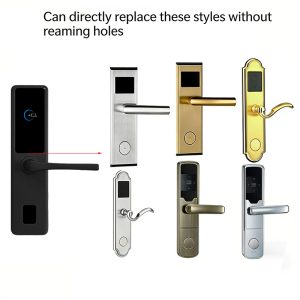
For new hotel construction, contractors can coordinate the door preparation with the lock specifications before installation. For renovation projects, selecting a compatible replacement lock may reduce drilling, labor costs, and damage to existing decoration.
For wholesalers and distributors, understanding customer requirements helps build a product portfolio with different price levels and configurations.
Defining the specifications before comparing quotations is one of the most effective ways to control hotel lock procurement costs.
2. Choose the Right Material for Your Budget
Material selection affects product pricing, appearance, construction, and maintenance. For large-volume orders, choosing the right material can help balance project cost and product positioning.
304 Stainless Steel Hotel Locks
304 stainless steel hotel locks are worth considering for projects that prioritize durable construction and a classic appearance.
They can be suitable for economy hotels, guest room renovations, and projects requiring practical, professional-looking hardware.
For procurement, confirm the actual stainless steel grade, panel construction, surface finish, and lock body specifications. Buyers should evaluate the complete product rather than assuming all stainless steel locks offer the same performance.
Aluminum Alloy Hotel Locks
Aluminum alloy hotel locks offer another option for buyers seeking modern styling at a competitive price.
They may suit newly built economy hotels, renovated guest rooms, and projects where appearance matters but premium decorative hardware is unnecessary.
For wholesalers, aluminum alloy models can complement stainless steel products and provide customers with more design and price options.
Which Material Should You Choose?
| Project Requirement | Material to Consider |
|---|---|
| Classic appearance and durable construction | 304 stainless steel |
| Modern styling at a competitive price | Aluminum alloy |
| Hotel renovation | Either material, depending on door compatibility |
| Wholesale product variety | Both materials, based on customer demand |
Actual prices and performance depend on the model, construction, finish, and supplier specifications. Request product details and samples when necessary before placing a bulk order.
3. Choose Between RFID and Bluetooth Hotel Locks
The access method affects both the initial investment and the hotel’s daily operations. Engineering contractors should evaluate system compatibility, while wholesalers should consider the needs of their target customers.
RFID Hotel Door Locks
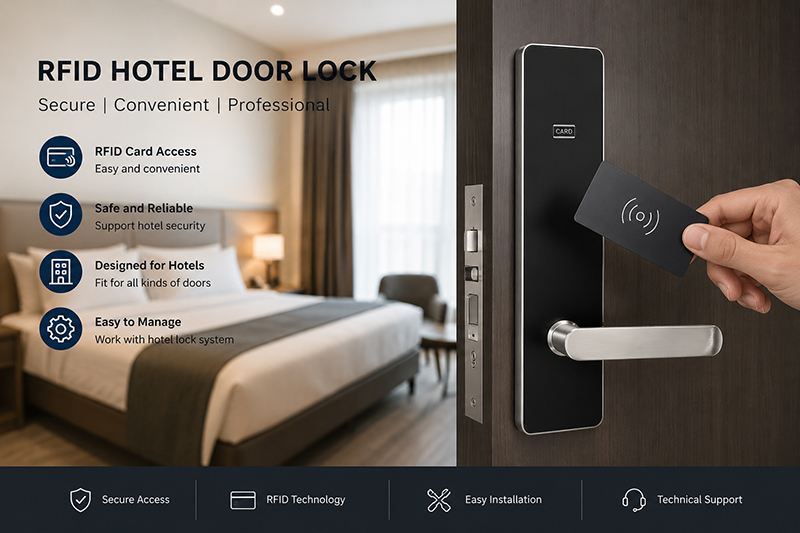
RFID card hotel locks are a practical choice for many economy hotels using conventional front-desk operations.
Guests unlock their rooms with authorized cards, while hotel staff manage access through a compatible system.
Important purchasing considerations include:
- Compatibility between locks, cards, encoders, and management software
- Ease of issuing and managing access cards
- Availability of replacement cards and spare parts
- Total system cost for the complete project
For contractors, RFID locks can provide a straightforward solution for conventional hotel access management. For wholesalers, they can serve as core products for budget hotels and renovation projects.
However, buyers should confirm which accessories and software are included in the quotation rather than comparing lock unit prices alone.
Bluetooth Hotel Door Locks
Bluetooth hotel locks allow authorized users to unlock doors through a compatible smartphone application.
They may suit projects that require mobile access or want to offer an alternative to physical access cards.
For example, hotel locks compatible with the TTHotel App support Bluetooth smartphone unlocking. Buyers should confirm the supported management functions and software requirements with the manufacturer.
Bluetooth unlocking should not be confused with Wi-Fi remote access. Remote unlocking and monitoring may require additional equipment or a different configuration, depending on the system.
For smart lock distributors, offering both RFID and Bluetooth hotel lock options can help serve different project requirements.
Choose RFID for conventional card-based access and Bluetooth when mobile unlocking is a defined requirement. Compare the complete system cost before making a decision.
4. Avoid Unnecessary Features
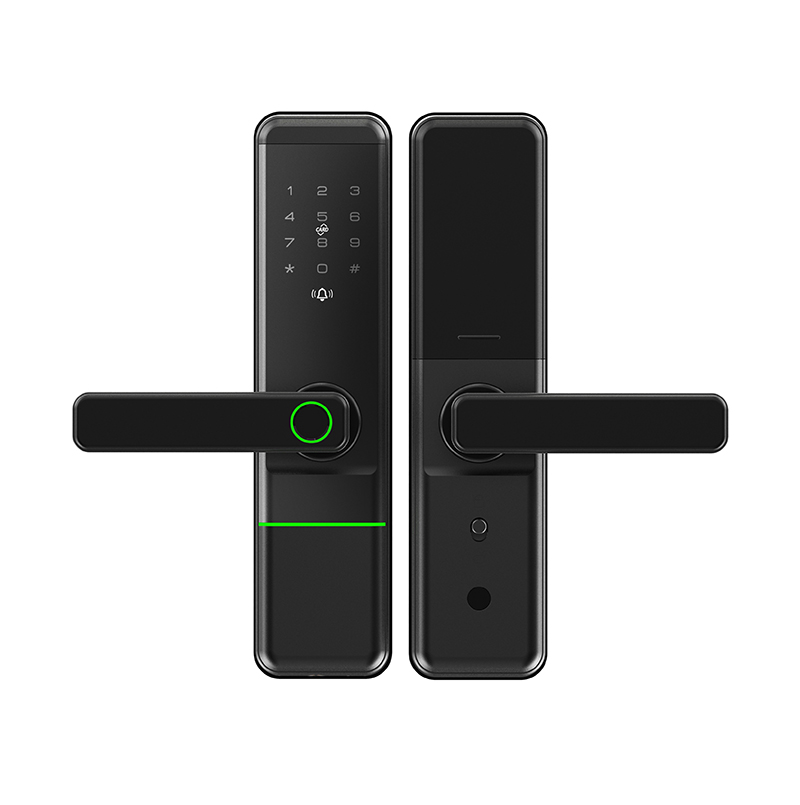
Hotel locks may support RFID cards, Bluetooth apps, passwords, fingerprints, and Wi-Fi connectivity. However, adding more functions does not automatically make a product more suitable for an economy hotel.
For cost-sensitive projects, select the configuration that meets the actual operational requirements.
- RFID card access: Suitable for conventional hotel access management.
- Bluetooth App unlocking: Useful when smartphone access is required.
- Wi-Fi connectivity: Consider when remote functions justify the additional cost.
- Fingerprint or password access: Include only when required by the intended application.
- Mechanical key override: Confirm whether the selected model provides an appropriate emergency access method.
For engineering contractors, a simpler configuration may reduce procurement complexity and make installation and staff training more straightforward.
For wholesalers, offering clearly differentiated basic and upgraded models can provide more flexible price options without stocking unnecessary combinations.
Always compare the specific functions, system requirements, and included accessories in each quotation.
5. Check Door Compatibility to Reduce Installation Costs
Installation costs can significantly affect the total budget, especially for hotel renovation projects.
Before ordering hotel locks, confirm:
- Door material and thickness
- Existing lock body or mortise dimensions
- Panel and handle dimensions
- Door opening direction
- Mounting positions and required drilling
- Compatibility with the existing door preparation
For renovation projects, a replacement lock that fits the existing preparation may reduce modifications and installation time. However, compatibility should be verified using measurements and technical drawings because similar-looking locks may have different lock bodies.
For new construction, engineering contractors should coordinate lock specifications with the door manufacturer before production or installation.
For large projects, reviewing a sample lock and confirming the installation drawings before bulk purchasing can help prevent costly mistakes and delivery delays.
6. Compare Total Project Cost, Not Just Unit Price
A low unit price does not necessarily mean the lowest total cost.
B2B buyers should consider the following:
Product cost: The lock price multiplied by the order quantity.
System cost: Required cards, encoders, software, gateways, or other equipment.
Installation cost: Labor, door modifications, and commissioning.
Maintenance cost: Battery replacement, repairs, and spare parts.
Replacement cost: Expenses caused by unsuitable products or premature replacement.
A simplified comparison is:
Total project cost = product purchase + required equipment + installation + expected maintenance and replacement.
For example, a lower-priced lock may offer less value if it requires extensive door modifications or additional equipment. Conversely, a more expensive model may not be worthwhile if its extra functions are unnecessary.
For wholesalers, landed cost, product consistency, after-sales requirements, and customer demand are also important factors.
Before confirming an order, ask the manufacturer to clarify what is included in the quotation and which accessories or system components must be purchased separately.
7. Choose a Reliable Hotel Lock Manufacturer
For engineering contractors, technical communication and installation compatibility are essential. For hotel lock wholesalers and smart lock distributors, consistent specifications and dependable supply also matter.
When evaluating a manufacturer, ask:
- Are different materials and hotel lock configurations available?
- Can the supplier provide RFID and Bluetooth options?
- Are technical drawings and product samples available?
- Can the manufacturer confirm lock body dimensions and door compatibility?
- Are warranty terms, spare parts, and technical support clearly defined?
- Can production capacity and delivery schedules meet the order requirements?
For wholesalers, a supplier offering economical and upgraded models can help serve customers with different budgets.
For engineering contractors, confirming technical specifications before ordering helps reduce installation risks.
A suitable supplier should help buyers identify the right configuration for the project instead of simply recommending the most expensive model.
8. Build a Practical Product Portfolio for Wholesale
Hotel lock wholesalers and smart lock distributors need a product range that serves different customer requirements without excessive overlap.
Consider organizing the portfolio into three categories:
Entry-level RFID hotel locks: Suitable for price-sensitive economy hotels and conventional card access.
Modern hotel locks: Stainless steel and aluminum alloy models offering different designs and price positions.
Bluetooth hotel locks: Suitable for projects requiring smartphone unlocking through a compatible hotel lock application, such as the TTHotel App.
Before investing in large inventory quantities, evaluate customer demand, target prices, order frequency, and spare-parts availability.
For project-based wholesalers, ordering according to confirmed specifications can reduce the risk of holding unsuitable inventory. Clearly differentiated models also make it easier to explain product options and prepare quotations.
9. Final Checklist Before Bulk Purchasing
Before confirming a hotel lock order, verify the following:
| Checkpoint | What to Confirm |
|---|---|
| Project requirements | Room quantity, budget, and access method |
| Material | Stainless steel or aluminum alloy specifications |
| Lock body | Dimensions and door compatibility |
| Access system | RFID, Bluetooth, and required equipment |
| Total cost | Product, accessories, installation, and maintenance |
| Product evaluation | Samples and technical drawings |
| Supplier support | Warranty, spare parts, and technical assistance |
| Order fulfillment | Quantity, production schedule, and delivery |
Completing these checks before bulk purchasing can help reduce compatibility problems, improve project planning, and control unnecessary expenses.
Conclusion
Choosing a cost-effective hotel door lock for an economy hotel requires balancing purchase price, construction quality, access functions, installation requirements, and long-term maintenance.
RFID hotel locks are a practical option for many conventional economy hotel projects. Stainless steel and aluminum alloy models offer different design and price choices, while Bluetooth hotel locks provide an alternative when smartphone access is required.
For hotel engineering contractors, the priorities are technical compatibility, installation efficiency, and predictable project costs. For hotel lock wholesalers and smart lock distributors, product positioning, supply consistency, and customer demand are equally important.
Looking for cost-effective hotel door locks for an upcoming project or wholesale order? Contact our team with your target quantity, door specifications, preferred access method, and budget to discuss suitable options for economy hotels, renovation projects, and bulk procurement.